7 Landscaping Mistakes to Avoid, Compared: How Costly Are They and How Do You Fix Them?
By Marta Nowak, Landscape & Outdoor Designer · September 6, 2026
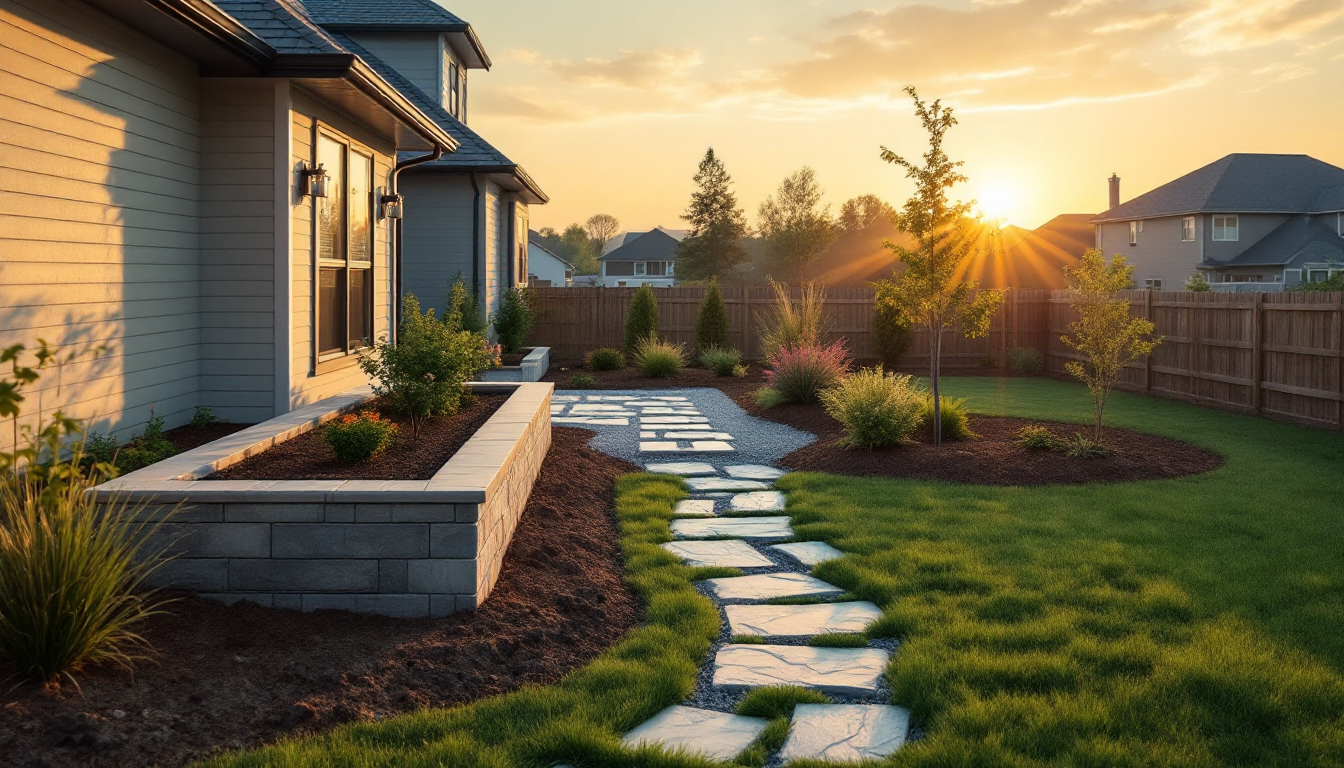
Every yard has a few landscaping regrets hiding in it — a tree planted too close to the foundation, a drainage swale that never quite works, a patio that floods every spring. Some of these mistakes cost a weekend to fix. Others cost thousands of dollars and a full re-grade. This guide compares the seven most common landscaping mistakes side by side, so you can see which ones are cheap to correct, which ones demand a professional, and which ones are worth preventing before you ever pick up a shovel.
If you haven't planned your yard yet, it's worth reading a planning-first approach before you commit to any layout — our companion piece on planning before you plant covers the foundational steps. This article assumes you're further along and want to evaluate specific problem areas against each other.
How We're Comparing These Mistakes
For each mistake, we look at three things: how common it is, how expensive it typically is to fix once it's already been made, and whether it's a DIY fix or one that usually needs a contractor. That framing should help you triage your own yard rather than trying to fix everything at once.
1. Ignoring Drainage and Grading
Cost to fix: High. DIY-friendly: Rarely.
Water that pools against a foundation or erodes a slope is the single most expensive mistake to correct after the fact, because fixing it usually means re-grading soil, adding drains, or installing a dry creek bed. Compare that to the cost of checking grade with a simple level and string before construction — a few dollars and an afternoon. If you're shaping a new area with berms or raised sections, get the drainage right in the initial backyard landscaping plan rather than patching it later.
2. Planting Too Close to Structures
Cost to fix: Medium to high. DIY-friendly: Sometimes.
Trees and large shrubs planted near a foundation, driveway, or septic line often need to be removed entirely once roots mature — sometimes alongside repairs to cracked pavement or pipes. This is far more expensive than the alternative: checking a plant's mature spread on the tag before buying it. A small shrub swapped for a compact cultivar costs nothing extra; a mature tree removal can run into the thousands.
3. Skipping a Scale Plan Entirely
Cost to fix: Low to medium. DIY-friendly: Yes.
Eyeballing bed shapes and patio dimensions often leads to awkward leftover spaces or plants crammed too tightly. The fix is inexpensive but does require redoing beds or moving hardscape. Compared to the other mistakes here, this one is the easiest to prevent — sketching a scaled plan, even a rough one in a free tool or on paper, catches most spacing errors before they're planted. It's the same logic used when arranging furniture indoors: measuring first avoids expensive do-overs, a principle covered well in guides on making better use of a limited footprint.
4. Choosing the Wrong Plants for the Climate and Light
Cost to fix: Medium, ongoing. DIY-friendly: Yes.
Unlike drainage, this mistake doesn't show up all at once — it shows up as a slow drain on your time and water bill as plants struggle and get replaced year after year. Compared to a one-time fix, this is a recurring cost that compounds. Matching plants to your USDA zone, sun exposure, and soil type up front is the cheapest insurance in the whole list. For yards in dry or high-sun climates, comparing water-wise options like a gravel garden style against traditional turf can cut long-term maintenance dramatically.
5. Overbuilding Hardscape Before Softscape
Cost to fix: High. DIY-friendly: No.
Pouring a patio, installing a retaining wall, or laying paths before finalizing planting areas often means those hard surfaces end up in the wrong place once the full design comes together. Concrete and stone are the most expensive materials in a yard to redo, so this mistake ranks near the top for cost. The fix is sequencing: rough out planting beds and traffic flow first, then commit to permanent hardscape.
6. Underestimating Raised Bed Placement and Depth
Cost to fix: Low to medium. DIY-friendly: Yes.
Raised beds placed in shade, built too shallow for root vegetables, or positioned where they block access are common but relatively cheap to correct — usually just a matter of rebuilding a frame or relocating it before soil and plants are established. Comparing bed materials and depths in advance saves this rework; a side-by-side look at raised garden bed methods is useful if you're still deciding between kits, lumber, or blocks.
7. Designing Without Considering Maintenance Time
Cost to fix: Ongoing, hard to quantify. DIY-friendly: Yes.
A landscape that looks stunning in a magazine but requires hours of weekly upkeep is a mistake that costs time rather than money — but it's the one most likely to make homeowners abandon their own yard within a year or two. Compared to every other item on this list, this one is purely a planning failure: choosing lower-maintenance groundcovers, mulch beds, or hardscape ratios that match the time you actually want to spend outside.
Which Mistakes Should You Prioritize Avoiding?
If you're planning a new yard from scratch, drainage and hardscape sequencing deserve the most attention, since they're the costliest to reverse. If you're improving an existing yard, plant selection and maintenance load are the easiest wins. Sketching the whole layout digitally before any digging begins — using a tool like home3dplan.com to test grading, bed placement, and hardscape together — lets you compare options against each other the same way this article does, before any of them become expensive to undo.