7 Gravel Garden Styles Compared: Which One Fits Your Yard, Budget, and Climate?
By Marta Nowak, Landscape & Outdoor Designer · August 25, 2026
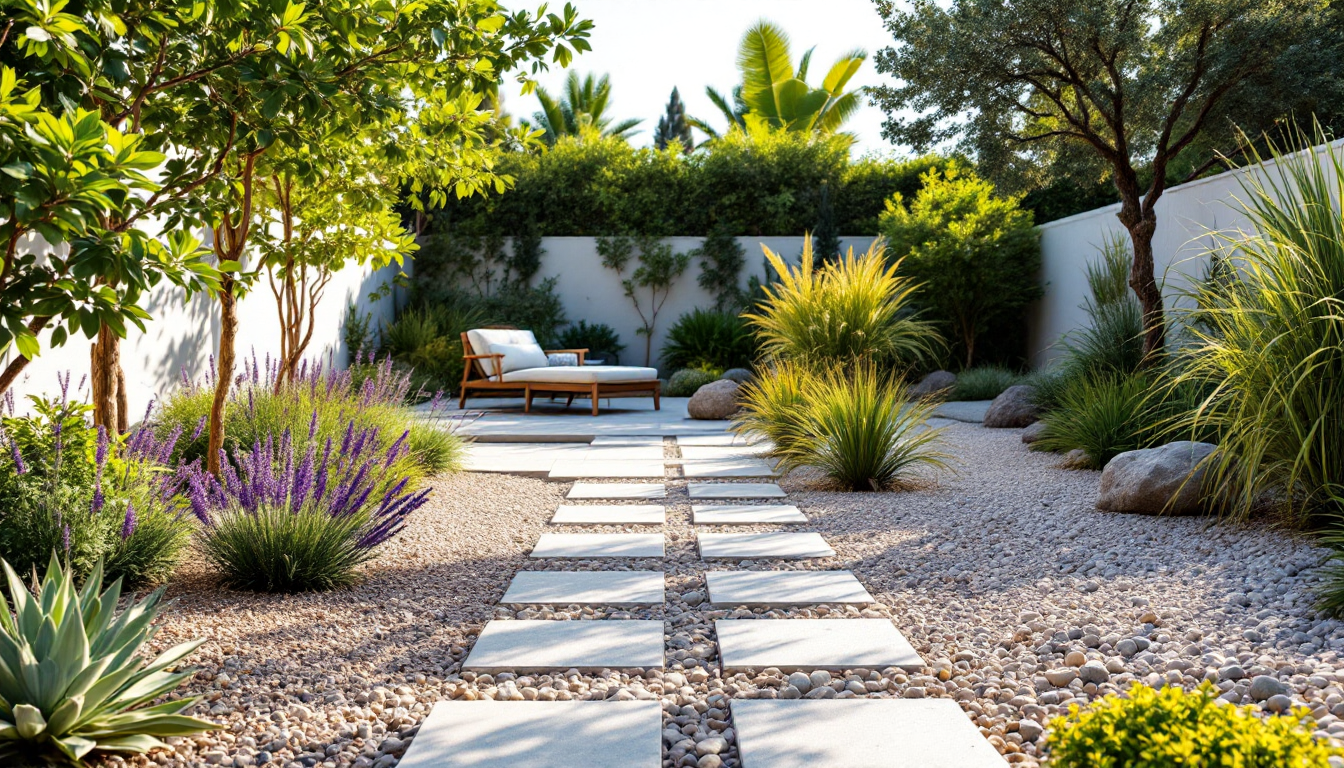
Gravel Gardens Aren't One Thing—They're Seven
Once you decide to swap thirsty lawn for a gravel garden, the real question isn't whether to do it—it's which version. "Gravel garden" covers everything from a bone-dry Mediterranean scree bed to a soft prairie-style planting with gravel mulch underfoot. Each style has a different budget, a different maintenance rhythm, and a different look at year three versus year one. If you're still working out the basics of the concept, our beginner's guide to gravel garden design is a good starting point before you commit to a style.
This guide compares seven practical approaches so you can match one to your site, your climate, and how much weekend time you actually want to spend outside.
1. The Mediterranean Scree Garden
Deep gravel (4-6 inches) over a lean, unamended subsoil, planted with drought-tough species like lavender, santolina, and sedum. No irrigation once established.
- Best for: Full sun, sandy or free-draining soil, hot summer climates.
- Cost: Moderate—gravel volume is the main expense.
- Maintenance: Very low after year one; occasional weeding and a spring cutback.
- Watch out for: Poor drainage sites will rot plant crowns; this style fails fast in heavy clay.
2. The Prairie-Style Gravel Mulch Bed
A thinner gravel layer (1-2 inches) used as mulch over amended soil, planted densely with grasses and perennials in naturalistic drifts.
- Best for: Gardeners who want more bloom and texture than a scree garden, with only slightly more upkeep.
- Cost: Lower gravel cost, higher plant cost due to density.
- Maintenance: Moderate—an annual cutback plus some self-seeding to manage.
- Watch out for: Thin gravel layers let more weed seed germinate than deep scree.
3. The Minimalist Courtyard Gravel Garden
Large-format gravel or crushed stone with sparse, architectural plantings—ornamental grasses, a single specimen tree, maybe boulders. Often paired with steel edging and a formal grid.
- Best for: Small urban yards, modern architecture, low-time owners.
- Cost: Can be higher per square foot due to precise edging and larger stone.
- Maintenance: Low, but leaf litter shows more against clean gravel and needs regular blowing or raking.
- Watch out for: Feels stark without at least a few well-placed plants or a hardscape anchor.
4. The Dry Riverbed / Rain Garden Hybrid
Rounded river rock and mixed gravel sizes laid in a meandering channel to handle stormwater runoff, often flanked by moisture-loving plants at the edges and drought-tolerant ones on the berms above.
- Best for: Sites with drainage problems, downspout overflow, or sloped yards.
- Cost: Higher—grading and varied stone sizes add labor.
- Maintenance: Low to moderate; needs periodic sediment removal after storms.
- Watch out for: This is a functional drainage feature first, decorative second—get the grading right or it won't move water correctly.
5. The Gravel Patio-Garden Combo
A seating or dining area finished in compacted gravel, blending directly into planted gravel beds with no hard edge between "patio" and "garden."
- Best for: Yards that want an outdoor room without full hardscaping cost. Pairs well with the kind of zoning you'd sketch in a site plan for your yard before construction.
- Cost: Lower than pavers or stone patios of the same size.
- Maintenance: Needs periodic top-ups and occasional re-leveling where feet or furniture compact the surface.
- Watch out for: Loose gravel underfoot isn't ideal for wobbly furniture or wheelchairs—consider a stabilized or resin-bound gravel here.
6. The Raised-Bed and Gravel Path Kitchen Garden
Timber or block raised beds for vegetables and cut flowers, with gravel infill paths between them instead of grass or mulch.
- Best for: Productive gardens where you want clean, mud-free access year-round.
- Cost: Moderate—cost is mostly in the raised bed materials, not the gravel.
- Maintenance: Paths are nearly maintenance-free; beds need normal vegetable garden upkeep.
- Watch out for: Gravel paths need edging to keep soil from migrating in and gravel from migrating into beds.
7. The Berm-and-Gravel Slope Garden
Sculpted earth berms planted with drought-tolerant species and finished with gravel mulch to control erosion on slopes, adding elevation change to an otherwise flat yard.
- Best for: Flat lots that need visual interest, or slopes that currently wash out during rain.
- Cost: Higher—earthmoving and grading add to the base gravel and plant costs.
- Maintenance: Low once plants establish and roots stabilize the slope.
- Watch out for: Berms need compacted, well-built cores or they settle unevenly within a year or two.
Side-by-Side: Picking Your Style
If you're comparing on paper, rank each style against three questions: How much water does your site naturally get? How many hours a month do you want to spend maintaining it? And how much of the budget is going to labor versus material? Scree gardens and minimalist courtyards win on labor once installed; dry riverbeds and berms win on solving a real drainage or grading problem, not just aesthetics.
Planning Before You Order Gravel
Whichever style you lean toward, sketch the layout before ordering material—gravel is sold by volume, and re-ordering mid-project because a bed is bigger than expected is a common budget leak. Marking planting pockets, path widths, and drainage direction on paper or in a simple digital layout also helps you spot conflicts, the same way comparing site plan drawing methods helps builders choose between paper, CAD, or 3D tools for a project. For a broader look at planning tools that work across your whole property, the design resources at Home3DPlan can help you visualize a gravel garden alongside the rest of your outdoor space before a single stone gets delivered.