Gravel Garden Ideas: A Beginner's Guide to Designing a Low-Water, Low-Fuss Yard
By Marta Nowak, Landscape & Outdoor Designer · August 24, 2026
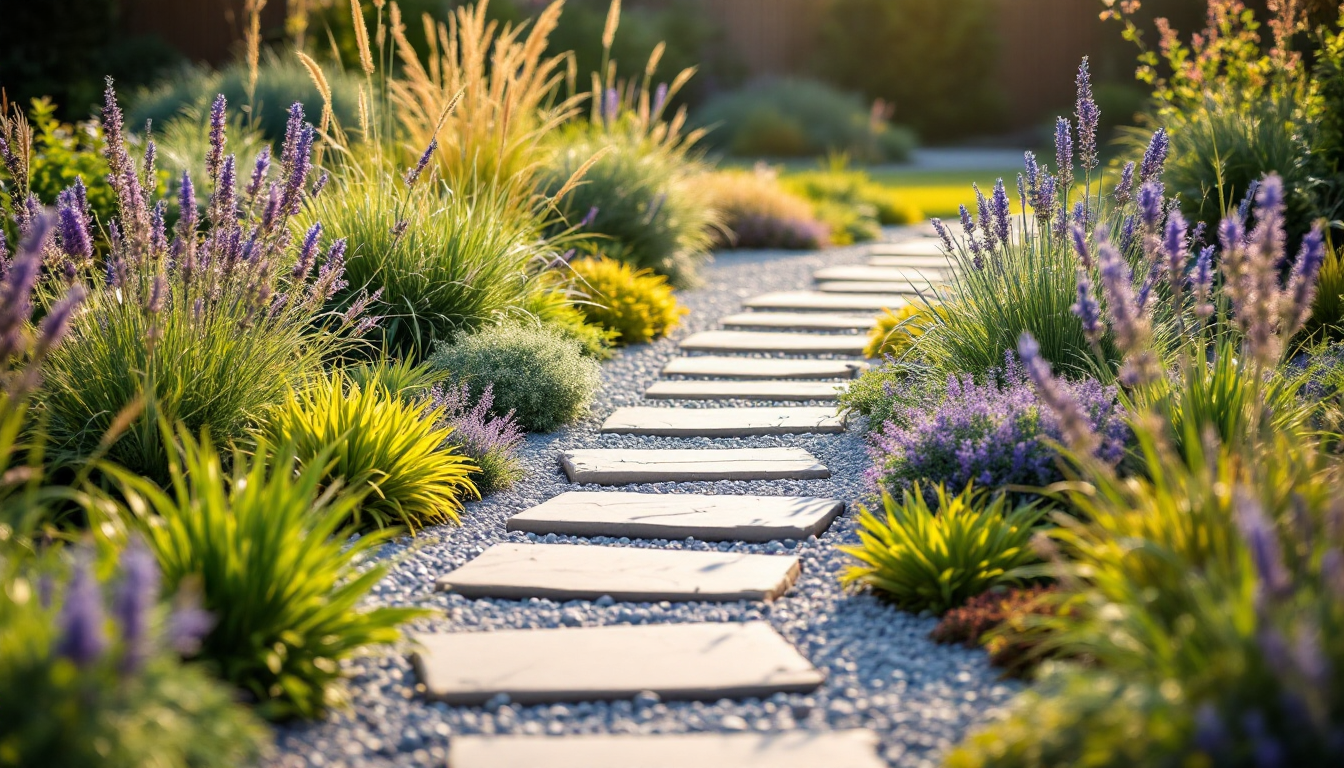
What Is a Gravel Garden, Exactly?
A gravel garden is a planting bed where crushed stone or pea gravel replaces most or all of the lawn and mulch, creating a free-draining surface that plants grow directly through. Unlike a patio or a decorative rock border, a true gravel garden is a planting technique first and an aesthetic second: the stone acts as mulch, weed suppressant, and drainage layer all at once. It's a style rooted in dry-climate and coastal gardening traditions, but it has become popular anywhere homeowners want to cut down on watering, mowing, and mulching.
If you're just starting to plan your outdoor space, it helps to think of a gravel garden the same way you'd think of any other room addition to your home — it needs a layout, a purpose, and a plan before you buy materials. For a broader look at shaping your whole yard, the tools on home3dplan.com can help you visualize how a gravel area fits alongside patios, paths, and existing beds.
Why Beginners Like Gravel Gardens
- Lower water use: Gravel reflects heat and reduces evaporation from soil, so plants suited to dry conditions need less irrigation once established.
- Less weeding: A properly installed gravel bed with the right base smothers most weed seeds and makes the ones that do sprout easy to pull.
- No mowing: Swapping even a section of lawn for gravel removes that area from your mowing routine entirely.
- Forgiving for new gardeners: Gravel hides bare soil while plants fill in, so the bed looks tidy even in its first season.
Step 1: Choose the Right Spot
Gravel gardens perform best in full sun with fast-draining soil. Low, soggy areas of the yard will trap moisture under the stone and encourage algae, moss, and root rot instead of the crisp, dry look you want. Walk your yard after a rainstorm and note where water pools — those spots are poor candidates unless you plan to regrade or add drainage first.
If your site has any slope at all, plan for how water will move across it before you spread a single scoop of gravel. A gently sloped area can actually work in your favor by shedding excess water naturally, but a steep grade may need terracing or a retaining edge; our comparison of methods for landscaping a sloped backyard walks through options like berms and low walls that pair well with gravel plantings.
Step 2: Sketch the Layout Before You Dig
Even a simple gravel bed benefits from a rough plan. Mark where the gravel area starts and stops, where paths or stepping stones will run, and where taller plants or a single specimen tree will anchor the composition. Beginners often skip this step and end up with a flat, uniform expanse of stone with no focal point.
Sketching doesn't need to be complicated — graph paper and a tape measure are enough to start. If you want a more precise view of how the gravel garden relates to your house, driveway, and property lines, the same principles used in drawing a basic site plan apply directly to garden layout: measure your boundaries, note fixed features, and work at a consistent scale.
Step 3: Build the Right Base
The long-term success of a gravel garden depends more on what's under the stone than the stone itself. A typical build-up looks like this:
- Remove existing turf and weeds, including roots, so you're not trapping vegetation under the new surface.
- Improve or amend the soil only if your chosen plants need it — many gravel garden plants actually prefer lean, unimproved soil.
- Add a landscape fabric or skip it depending on whether you plan to let plants self-seed; fabric blocks weeds but also blocks the natural spreading that gives gravel gardens their relaxed character.
- Spread a layer of angular gravel, typically 2 to 3 inches deep, in a size between 3/8 and 3/4 inch for good compaction and comfortable walking.
- Plant directly through the gravel, pulling stone aside, digging the hole in the soil beneath, and pushing gravel back around the base of the plant.
Step 4: Pick Plants That Actually Want to Grow in Gravel
Not every plant belongs in a gravel garden. Look for species that tolerate lean, fast-draining soil and reflected heat:
- Ornamental grasses such as blue fescue or feather reed grass
- Mediterranean herbs like lavender, thyme, and rosemary
- Drought-tolerant perennials such as sedum, yarrow, and Russian sage
- Low, spreading groundcovers like creeping phlox for softening edges
Group plants in loose drifts rather than a single-of-everything approach, and leave visible gravel between clusters. That negative space is part of the design — it reads as intentional rather than empty, and it keeps the garden from looking like a wild meadow.
Step 5: Add Structure With Paths and Focal Points
A gravel garden feels finished when it has at least one hard element beyond the stone itself: a stepping-stone path, a boulder, a low steel edging strip, or a single small tree. These anchors give the eye a place to rest and make the space feel designed rather than left over. Edging also matters practically — a metal, stone, or timber border keeps gravel from migrating into lawn or planting beds nearby.
Common Beginner Mistakes to Avoid
- Skipping the base prep and laying gravel straight over turf, which leads to weeds pushing through within months.
- Choosing rounded pea gravel for high-traffic paths, which shifts underfoot; angular gravel compacts better for walking areas.
- Overwatering after establishment — once plants are settled, most gravel garden species prefer to be left alone.
- Ignoring scale — a gravel bed that's too small can look like a patch rather than a garden; aim for a shape and size proportional to the rest of your yard.
Getting Started This Season
Start small if you're unsure: convert one sunny, awkward corner of lawn — the kind that's hard to mow or always dries out — into your first gravel bed. It's a low-risk way to learn how the material behaves, which plants thrive, and how much (or little) maintenance it really needs before committing to a larger area of the yard.