7 Ways to Build a Raised Garden Bed, Compared: Kits, Lumber, Blocks, and More
By Marta Nowak, Landscape & Outdoor Designer · September 2, 2026
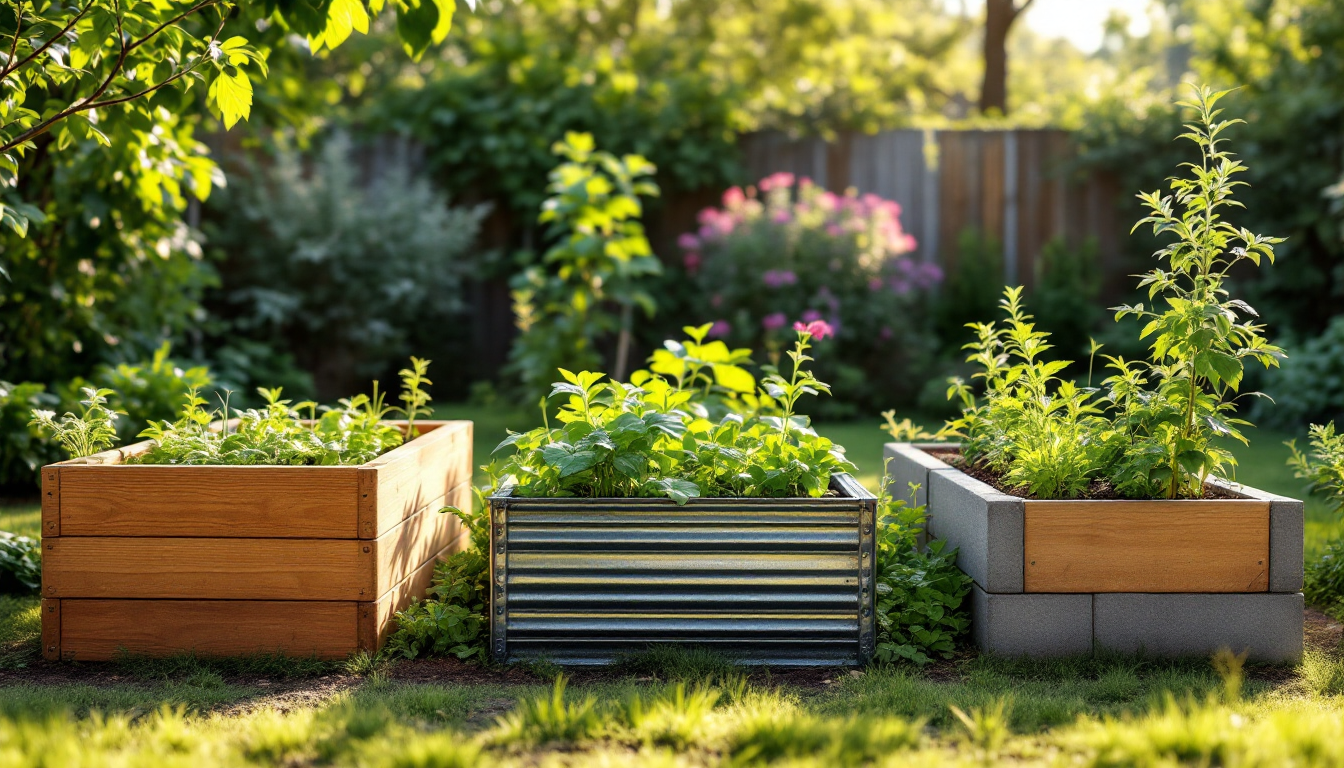
Choosing the Right Way to Build a Raised Garden Bed
Once you've decided a raised bed is the right move for your yard, the next question is more practical: what should it actually be made of, and how should you put it together? There isn't a single correct answer. The best method depends on your budget, how long you want the bed to last, whether you're comfortable with basic tools, and what look you want in the garden. This guide compares seven common approaches so you can weigh them against each other before buying materials.
If you haven't yet nailed down the fundamentals—sizing, soil depth, placement—it's worth reading a beginner's guide to building a raised garden bed first. This article assumes you already know roughly where the bed is going and focuses purely on comparing construction methods.
1. Pre-Cut Kits (Wood or Composite)
Kits arrive with pre-drilled boards or interlocking panels that slot together, often without tools beyond a mallet or a few screws. They're the fastest option for someone who wants a bed up in under an hour.
- Cost: Moderate to high per square foot, but no waste and no cutting.
- Lifespan: Varies widely—cedar kits last 8-10 years, composite kits can outlast wood but cost more upfront.
- Skill needed: Minimal. Good for a first bed or a rental property.
The tradeoff is size flexibility—you're locked into whatever dimensions the manufacturer offers, so an oddly shaped yard corner may not be well served.
2. Rough Cedar or Redwood Lumber
Building from raw cedar or redwood boards is the classic DIY route. You choose your own dimensions, cut the corners, and screw or bracket them together.
- Cost: Mid-range; naturally rot-resistant wood costs more than pine but needs no sealants.
- Lifespan: 8-15 years depending on board thickness and soil contact.
- Skill needed: Basic—straight cuts and a drill. If your saw work is rusty, the same measure-twice habits used when planning a cut list for a build apply directly here: know your final board lengths before you touch the saw.
This is the most customizable option and pairs well if you're also shaping berms or paths nearby, since you control exact bed height and footprint.
3. Pressure-Treated Pine
Pressure-treated pine is the budget workhorse. Modern treatments (ACQ or MCA) are safer for edible gardens than older arsenic-based versions, but some gardeners still prefer to line the interior with plastic sheeting as a buffer.
- Cost: Lowest of the wood options.
- Lifespan: 10-15 years, often longer than untreated cedar.
- Skill needed: Basic carpentry, same as cedar.
Good choice if you're building several beds at once and cost per bed matters more than aesthetics.
4. Concrete Block or Brick
Stacking standard concrete blocks (no mortar required for low beds) creates a permanent, weatherproof structure. Corners can be dry-stacked or pinned with rebar for stability.
- Cost: Low material cost, but heavier to transport and install.
- Lifespan: Essentially permanent—decades with no rot risk.
- Skill needed: Low tool skill, but more physical labor and precise leveling.
Block beds also double as informal seating edges, which is worth considering if the bed sits near a patio or gathering space you're designing as an outdoor room.
5. Galvanized Metal or Corrugated Steel
Metal beds—either purpose-built galvanized kits or repurposed stock tanks—have become popular for their modern look and near-immunity to rot.
- Cost: Mid to high, depending on gauge and size.
- Lifespan: 15-20+ years; some report decades of use.
- Skill needed: Low if using a kit; metal absorbs and radiates heat, so soil warms faster in spring and can overheat roots in peak summer without mulch.
Metal beds suit contemporary or minimalist yards better than rustic wood, so factor in how the material reads against your overall landscape style.
6. Stone or Retaining Wall Block
Dry-stacked natural stone or interlocking retaining wall blocks create a bed that feels built into the landscape rather than added on top of it. This method overlaps heavily with berm and terrace construction.
- Cost: Higher, especially for natural stone; wall block systems are more affordable.
- Lifespan: Permanent.
- Skill needed: Moderate—getting a level base course right is the hard part; everything above follows more easily.
If you like this earthbound, permanent aesthetic, it's worth browsing broader backyard landscaping methods compared to see how raised beds fit into a full yard plan rather than sitting as an isolated feature.
7. Repurposed Materials (Stock Tanks, Wine Crates, Pallets)
Salvaged materials—galvanized stock tanks, wooden wine crates, deconstructed pallets—offer the lowest cost and most personality, at the expense of predictability.
- Cost: Lowest, sometimes free.
- Lifespan: Highly variable depending on source material condition.
- Skill needed: Ranges from none (stock tank, just drill drainage holes) to moderate (dismantling and rebuilding pallets safely).
This route rewards a scavenger's eye more than carpentry skill, and it's a satisfying way to keep materials out of landfill.
Side-by-Side Summary
- Fastest to install: kits, stock tanks
- Cheapest: pressure-treated pine, repurposed materials
- Longest lifespan: block, stone, metal
- Most customizable: rough lumber, stone
- Best for edible gardens with strict organic standards: untreated cedar, metal, stone
Making the Final Call
Match the method to how long you plan to stay in the home, how much upfront budget you have, and how the bed needs to look next to your patio, fence, or lawn. A rental might call for a lightweight kit that can move with you; a forever home might justify a stone or block bed built to outlast the roof. Whichever you choose, sketching the layout first—bed dimensions, pathways, sun exposure—inside a tool like home3dplan.com can help you confirm the bed fits comfortably with everything else you're planning for the yard before a single board or block gets purchased.