7 Ways to Landscape a Backyard, Compared: DIY, Software, and Hiring a Pro
By Marta Nowak, Landscape & Outdoor Designer · August 31, 2026
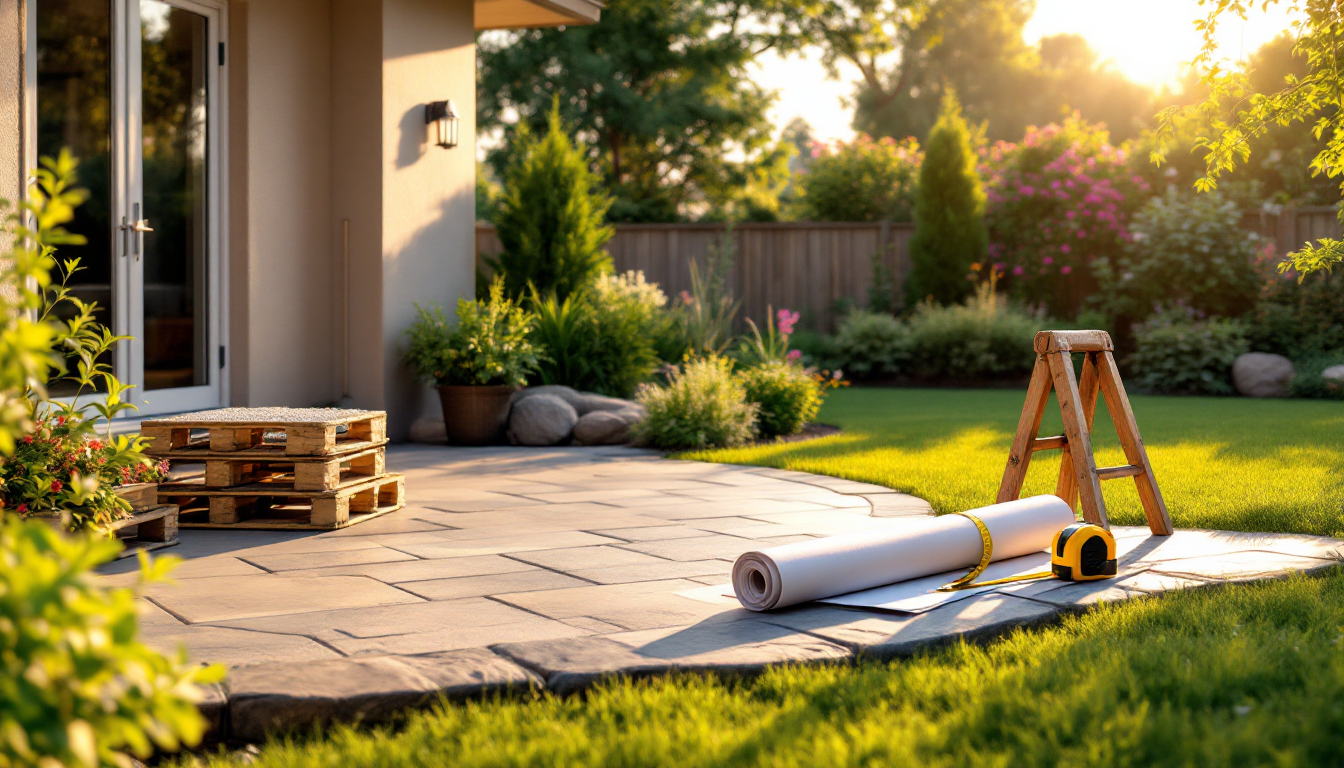
Choosing How You'll Actually Plan Your Backyard
Deciding to landscape a backyard is the easy part. The harder decision is how you'll get from bare dirt or tired lawn to a finished space: sketch it yourself, run it through design software, hire a designer, or some blend of the three. If you already want the foundational steps — grading, zoning your yard into rooms, choosing plants — the beginner's guide to landscaping a backyard covers that ground. This article is for comparing tools and methods so you don't waste a season on the wrong one.
Below are seven realistic paths, with honest tradeoffs on cost, time investment, and how forgiving each is of mistakes.
1. Graph Paper and a Tape Measure
The oldest method still works. You measure the yard, draw it to scale on graph paper, and sketch bubble diagrams for patio, planting beds, and paths.
- Cost: Nearly free.
- Best for: Small, simple yards or people who think spatially without screens.
- Drawback: Hard to visualize slope, mature plant size, or how a berm will actually read at eye level.
2. Free or Low-Cost Landscape Design Apps
Apps let you drag in plant symbols, patio shapes, and fence lines onto an aerial or satellite view of your property. Many now offer basic 3D previews.
- Cost: Free to roughly $100/year for premium plant libraries.
- Best for: Homeowners who want a visual plan before buying materials.
- Drawback: Plant databases skew generic; you'll still need to verify hardiness zone and mature spread yourself.
3. Full 3D Home and Garden Design Software
This is a step up from garden-specific apps — full 3D modeling platforms let you place your house, deck, and yard together, test sightlines from windows, and walk through the design before digging. If you're already comfortable with floor plans, the jump to exterior 3D modeling is smaller than it looks; the same logic used to turn a 2D floor plan into a 3D model applies to a yard: start with an accurate scaled base, then build up.
- Cost: Free tiers exist; robust versions run $20-$300+.
- Best for: Yards with grade changes, multiple zones, or anyone planning a build phase-by-phase.
- Drawback: Steeper learning curve; overkill for a single flower bed refresh.
4. Gravel and Xeriscape-Style Templates
Rather than designing from scratch, some homeowners start from a proven low-water template and adapt it. Gravel gardens are a popular version of this because the "bones" — edging, gravel depth, drainage — are standardized even when plant choices vary by region.
- Cost: Moderate; gravel and edging materials, fewer plants than a traditional bed.
- Best for: Dry climates, low-maintenance goals, or areas where lawn struggles.
- Drawback: Not every microclimate suits gravel; drainage and base prep matter more than people expect. The comparison of seven gravel garden styles breaks down which template fits which climate and budget.
5. Hardscape-First, Build-It-Yourself
Some homeowners skip planning software entirely and start with the hardscape — patio, retaining wall, raised beds — building it in stages over weekends, then filling in planting later.
- Cost: Materials only if you supply labor; can be the cheapest path over time.
- Best for: People comfortable with basic construction and willing to learn masonry or carpentry skills as they go.
- Drawback: Mistakes in grading or wall footings are expensive to undo. Cutting corners on layout math causes more rework than any other step in this list.
6. Hiring a Landscape Designer for a Plan Only
You pay for a scaled plan and plant list, then execute it yourself or hire separate contractors for hardscape and planting.
- Cost: $500-$3,000 depending on yard size and region.
- Best for: Homeowners who want professional judgment on layout and plant selection but are comfortable managing the labor themselves.
- Drawback: You still need to interpret and phase the plan correctly; a designer's plan without site knowledge occasionally misses irrigation or utility conflicts.
7. Full-Service Design-Build Firm
One company handles design, permitting if needed, hardscape construction, and planting.
- Cost: Highest — often $10,000 and up for a full backyard.
- Best for: Larger properties, complex grading, or anyone without the time to manage multiple contractors.
- Drawback: Least control over incremental cost decisions; changes mid-project can be costly.
How to Match the Method to Your Yard
A few filters help narrow this list quickly:
- Budget ceiling: Under $1,000 usually means DIY with an app or graph paper. Above $5,000 opens the door to hiring designers or a design-build firm.
- Slope and drainage complexity: Flat, simple yards tolerate DIY mistakes better than sloped sites with drainage risk — those benefit from at least a professional plan review.
- Time you can give it: Software and DIY methods take evenings and weekends spread over a season; full-service firms compress the timeline but cost more.
- Your tolerance for redoing work: If a wrong plant placement or a cracked patio slab would bother you for years, invest more upfront in planning accuracy.
Many homeowners end up mixing methods: sketching the bones on paper or in a home design planning tool, hiring a designer only for the hardscape layout, then handling planting themselves. That hybrid approach often gets the best ratio of cost to confidence, especially for a first-time landscaping project.
Final Thought
There's no single correct way to landscape a backyard — only the method that matches your site's complexity, your budget, and how much of the physical work you want to do yourself. Whichever path you choose, resist the urge to skip the measuring and grading step; every method on this list works better on top of an accurate site plan.