How to Landscape a Backyard: A Beginner's Guide
By Marta Nowak, Landscape & Outdoor Designer · August 30, 2026
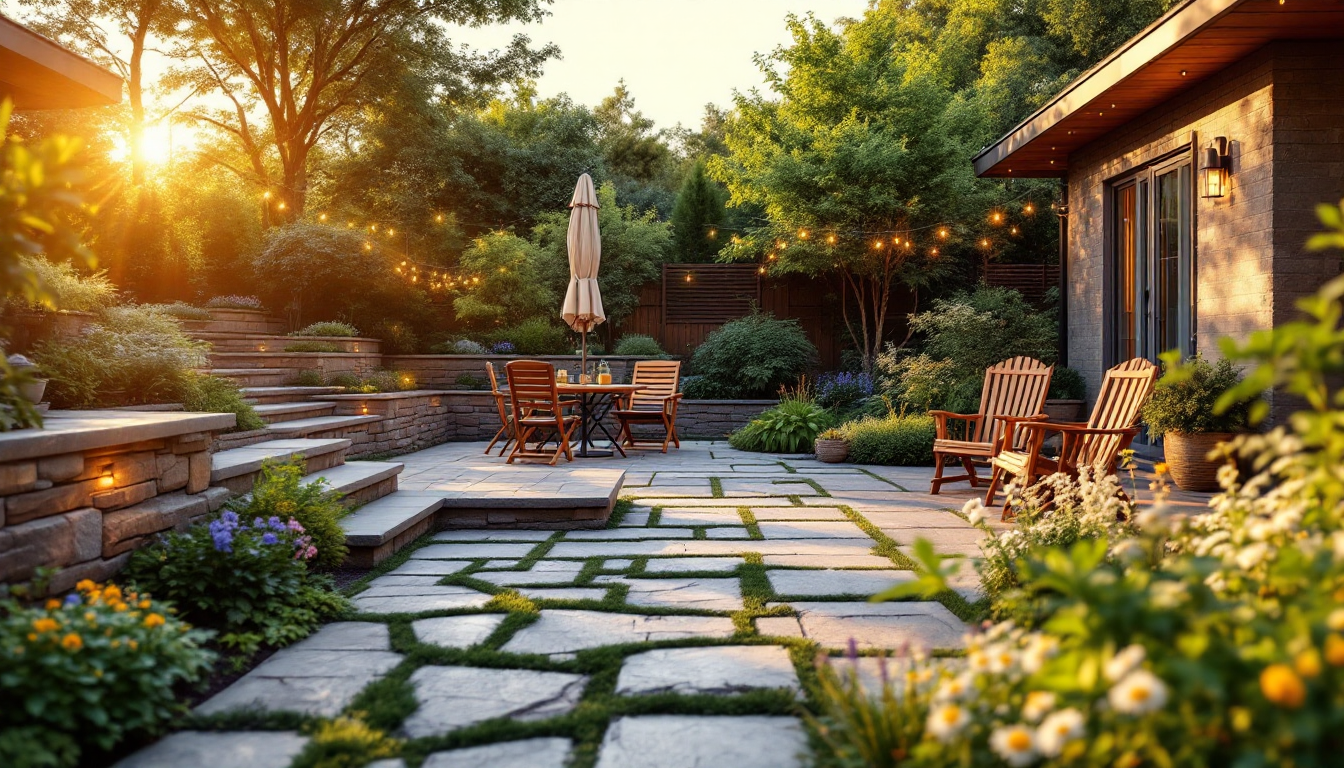
Start With a Plan, Not a Plant List
The most common landscaping mistake beginners make is buying plants before they understand how the space will actually be used. A backyard is an extension of your home, and like any room, it works best when it's designed around function first and decoration second. Before you dig anything, spend time simply observing your yard: where the sun falls at different times of day, where water pools after rain, which views you want to frame, and which you'd rather hide.
Sketching a rough plan — even on graph paper — helps you avoid costly changes later. If you're comfortable with digital tools, laying out your yard the same way you'd lay out a room can be surprisingly clarifying; the same logic used when people arrange furniture in a small bedroom to maximize flow applies outdoors too — you're just swapping a bed and dresser for a patio and a shed.
Break the Yard Into Zones
Rather than treating the backyard as one big undefined space, divide it into functional zones. Common zones include:
- Dining and cooking — patio, grill, outdoor table
- Lounging — seating area, fire pit, hammock
- Play or activity — lawn, sport court, kids' play structure
- Growing — vegetable beds, cutting garden, fruit trees
- Utility — compost, storage, tool shed, drying line
Once zones are roughly placed, think about the paths connecting them. Paths should follow how people actually walk, not just look tidy on paper — watch for the "desire lines" that already form as worn patches of grass.
Shape the Ground Before You Plant Anything
Grading and structure come before greenery. This is the hardscaping stage: retaining walls, raised beds, berms, patios, and drainage. Even a small change in elevation can make a flat yard feel more interesting and solve drainage problems at the same time. A gentle berm can block wind, create privacy, or simply give a yard some visual rhythm instead of one flat plane.
If your soil is poor, compacted, or slopes awkwardly, raised beds are often the fastest way to get productive planting space without fighting the existing ground. They also make maintenance easier as you get older or if bending is difficult.
Drainage deserves special attention here: water should move away from the foundation of the house and toward a spot where it can soak in or be directed to a rain garden, not toward a neighbor's yard or a low patio that floods every spring.
Choose Hardscape Materials That Fit Your Climate and Budget
Patios, paths, and edging set the tone of the whole yard. Poured concrete, pavers, natural stone, brick, and gravel all have different costs, maintenance needs, and looks. For beginners especially, gravel is worth serious consideration: it's inexpensive, drains well, and is forgiving of imperfect installation. If you want a low-maintenance surface that still looks intentional, it's worth reading a dedicated comparison of gravel garden styles to see which fits your climate and how much upkeep you're willing to do, or start with the basics in this beginner's guide to gravel gardens before committing to a full patio pour.
Plant in Layers, Not Rows
Once structure and hardscape are settled, planting becomes much easier because you already know where beds, borders, and focal points belong. A simple rule that mimics how plants grow in nature is to layer by height: trees at the back or corners, shrubs in the middle, perennials and groundcovers in front. This creates depth even in a small yard.
Beginners often overplant early because young plants look sparse. Resist the urge — look up the mature size of anything you buy and space accordingly. A three-gallon shrub that looks lonely today can become a five-foot mass in three years.
Group plants by their water needs (this is called hydrozoning) so you're not trying to keep a thirsty hydrangea alive next to drought-tolerant lavender. This single decision affects your water bill and plant survival rate more than almost anything else.
Add Lighting, Furniture, and Final Details
Once the bones of the yard are in — grading, hardscape, and plantings — the final layer is what makes it feel finished: lighting along paths, a defined seating area, and durable outdoor furniture. If you enjoy building things yourself, a simple outdoor bench or planter box is a manageable first project; the same fundamentals covered in guides on building furniture as a beginner apply just as well to outdoor pieces as indoor ones, provided you choose weather-resistant wood and hardware.
Common Beginner Mistakes to Avoid
- Skipping the plan and buying plants impulsively at the garden center
- Ignoring drainage until standing water becomes a recurring problem
- Overcrowding beds without accounting for mature plant size
- Choosing high-maintenance lawn in a yard that gets little sun or water access
- Forgetting utility zones like trash bins, compost, or storage until there's nowhere left to put them
Bringing It All Together
Landscaping a backyard is really a sequence: observe the site, define zones, shape the ground, choose durable hardscape, then layer in plants and furnishings last. Treat it like designing any other part of your home — with a plan you can visualize before committing money and labor to it. If you want to test layouts before breaking ground, tools built for home design at home3dplan.com let you map out patios, beds, and pathways digitally first, so the shovel work only happens once.