Warm Minimalist Interior Design: A Beginner's Guide to Cozy, Clean Spaces
By Conor Sheridan, 3D Visualization Lead · October 27, 2026
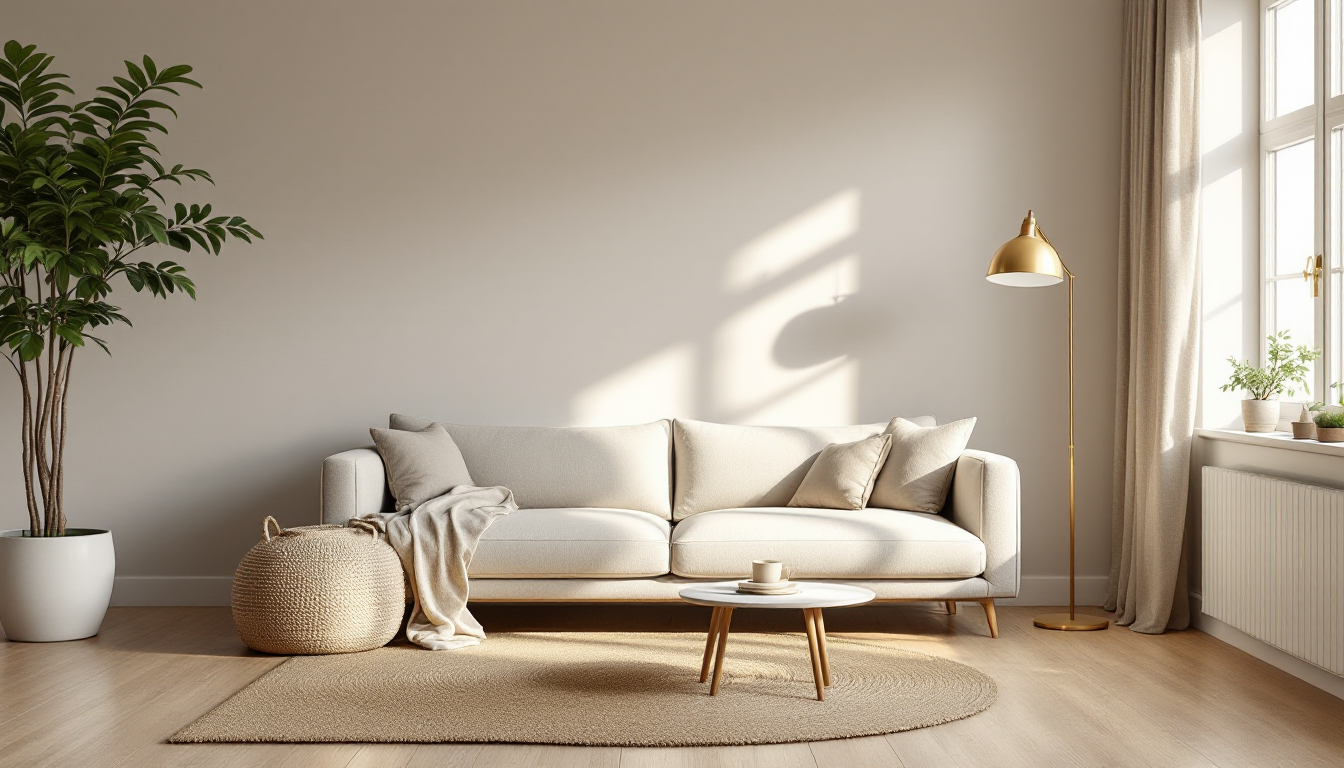
Minimalism has a reputation for feeling cold — all white walls, hard edges, and empty corners. Warm minimalist interior design flips that idea on its head. It keeps the simplicity and restraint of minimalism but swaps sterile surfaces for natural textures, soft light, and earthy color. The result is a home that feels calm and uncluttered without feeling like a showroom. If you're starting from scratch, this guide walks through the fundamentals step by step.
What Makes a Space "Warm Minimalist"?
Warm minimalism is built on three habits: owning less, choosing materials with visible texture, and layering light instead of flooding a room with it. Unlike stark, gallery-style minimalism, it leans on natural wood, linen, wool, and stone. Instead of pure white, walls lean toward cream, sand, or warm greige. The goal isn't emptiness — it's intention. Every object earns its place because of function or craftsmanship, not because it fills space.
Core Principles to Keep in Mind
- Edit before you decorate. Remove duplicates, broken items, and anything you haven't used in a year.
- Choose a tonal palette. Work within a narrow range of warm neutrals rather than high-contrast colors.
- Prioritize texture over pattern. Boucle, raw linen, unfinished wood, and matte ceramics add visual interest without clutter.
- Let light do the work. Warm-toned bulbs, sheer curtains, and multiple light sources create depth that a single overhead fixture can't.
Step 1: Start With a Warm, Narrow Color Palette
Pick two or three base neutrals — think oatmeal, warm white, and soft taupe — then add one deeper accent like terracotta, olive, or walnut brown. Keeping the palette narrow is what separates "warm minimalist" from a generic neutral room. If you're unsure where to start, a structured approach helps: our beginner's guide to choosing a color palette for a room walks through how to test colors against your lighting and existing furniture before committing to paint.
Step 2: Choose Materials That Carry the Warmth
Because warm minimalism avoids heavy pattern and ornament, materials have to do more visual work. Favor:
- Natural wood with visible grain — oak, ash, or walnut — for floors, furniture, or shelving.
- Woven textiles like jute rugs, linen curtains, and boucle throws for tactile softness.
- Matte stone or plaster finishes on countertops or feature walls instead of high-gloss surfaces.
- Warm metals such as brushed brass or bronze rather than cool chrome or stainless steel.
If you're planning renders or product mockups to test these finishes before buying, having access to accurate material libraries matters. A good set of PBR materials for your 3D projects can help you preview how wood grain, linen weave, or plaster texture will actually catch light in your space before you commit to the real thing.
Step 3: Layer Lighting Instead of Relying on One Source
Cold minimalist rooms often rely on a single bright overhead light. Warm minimalism uses layers: ambient light for general visibility, task lighting for function, and accent lighting for mood. Aim for warm color temperatures (around 2700K–3000K) and dimmable fixtures where possible. Floor lamps with fabric shades, wall sconces, and even candles all contribute to the "warm" half of the equation.
Step 4: Furnish With Fewer, Better Pieces
Minimalism doesn't mean uncomfortable or sparse — it means deliberate. Choose furniture with simple silhouettes but comfortable, generous proportions: a low-profile sofa in bouclé, a solid wood dining table, a single statement chair instead of three mismatched ones. Before buying anything, it helps to confirm the piece actually fits the room and the flow of traffic around it. Our guide to measuring a room for a floor plan is a useful first step so you're shopping with real dimensions instead of guesswork.
Step 5: Add Warmth Through Natural Elements
A few well-placed plants, a woven basket for storage, or a ceramic vase with dried stems add life without clutter. Keep greenery simple — one or two larger plants read as calmer than a dozen small pots. Natural elements also tie the interior to the outdoors, which is part of why warm minimalist homes often extend their material choices into adjoining outdoor spaces as well.
Common Mistakes Beginners Make
- Going too cool. Pure white walls and cool-gray furniture tip the room back into sterile minimalism.
- Over-editing. Removing all personal objects can make a room feel unfinished rather than calm.
- Ignoring texture. A room with only flat, smooth surfaces will feel flat no matter how good the color palette is.
- Skipping the planning stage. Buying furniture before confirming scale and placement is one of the most common — and expensive — mistakes.
Visualizing Before You Commit
Because warm minimalist design depends so heavily on subtle material and light choices, it's one of the harder styles to judge from paint swatches and fabric samples alone. Rendering a room digitally, or using an AR tool to preview furniture in your actual room, lets you see how a walnut console or linen sofa will really look under your lighting before you spend money. Tools like Home3DPlan are built around exactly this kind of early-stage visualization, so you can test a warm minimalist palette digitally before painting a single wall.
Warm minimalism rewards patience more than any single purchase. Start with the palette, choose materials that add texture and warmth, layer your lighting, and furnish slowly. The style comes together gradually — and that slower process is part of what makes the finished room feel calm rather than staged.