7 Warm Minimalist Interior Design Approaches Compared: Palettes, Materials, and Budget
By Marta Nowak, Landscape & Outdoor Designer · October 28, 2026
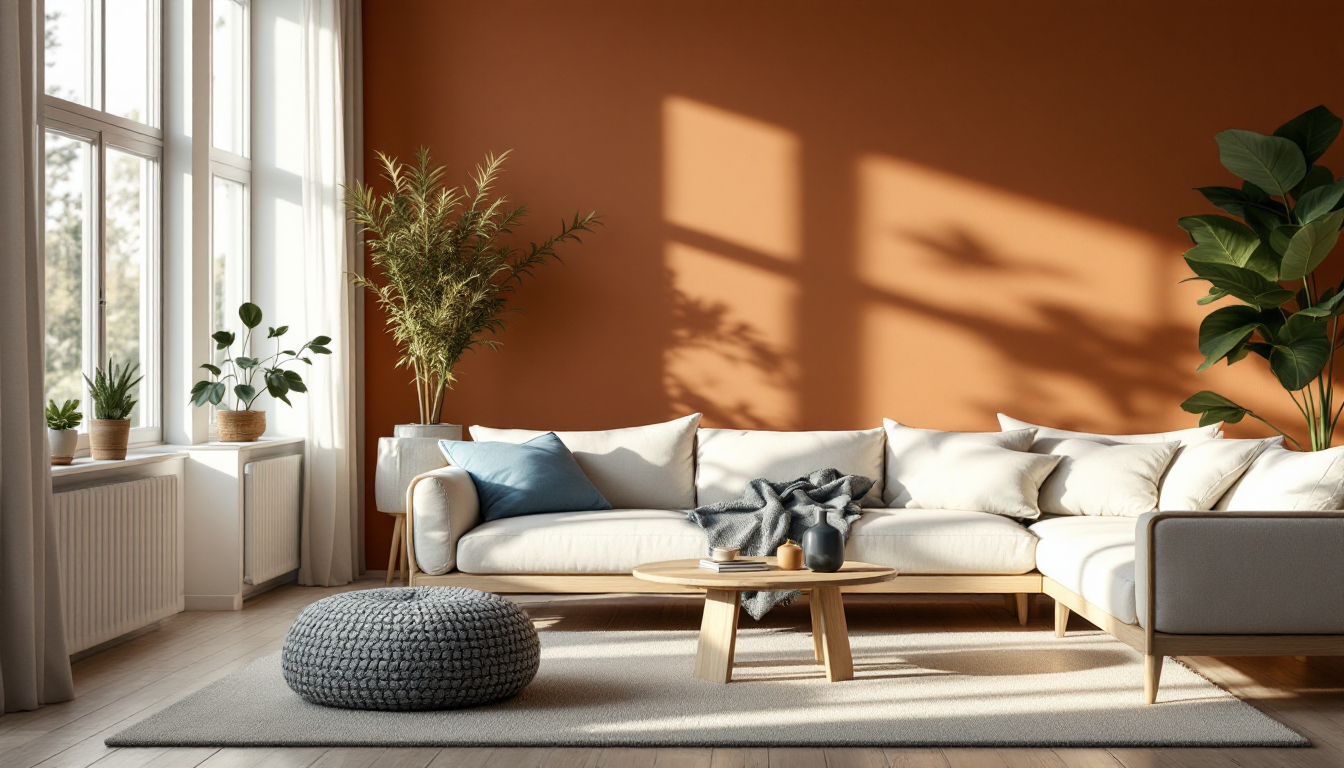
Warm Minimalism Isn't One Look — It's Several
"Warm minimalist" has become shorthand for any room that isn't stark white and chrome, but in practice there are several distinct ways to achieve it, and they don't all cost the same, suit the same climate, or wear the same over time. If you've already read our beginner's guide to warm minimalist interior design, you know the basic principles: tonal neutrals, natural materials, restrained furniture counts, and layered light. This article goes further, comparing seven practical approaches so you can decide which one actually fits your budget, maintenance tolerance, and the architecture you're working with.
Think of this less as a style quiz and more as a buyer's comparison. Each approach below uses the same minimalist bones — few pieces, clean lines, hidden storage — but reaches warmth through different means: color, texture, light, or a mix.
1. Japandi (Japanese-Scandinavian Hybrid)
Palette: Oatmeal, charcoal, muted sage, unfinished wood tones.
Materials: Light oak, rattan, linen, matte ceramics.
Cost: Mid to high — joinery and solid wood furniture aren't cheap.
Upkeep: Low; natural fiber rugs and linen need occasional care but nothing demanding.
Japandi is the most popular entry point into warm minimalism because it pairs easily recognizable Scandinavian simplicity with Japanese restraint — low furniture, visible wood grain, and negative space treated as a design element rather than an afterthought. It works best in rooms with good natural light, since the palette leans pale and can feel flat under weak artificial lighting.
2. Earthy Modern (Terracotta and Clay Tones)
Palette: Terracotta, rust, clay, warm sand.
Materials: Plaster walls, exposed brick, waxed concrete, leather.
Cost: Mid — plaster finishes add labor cost, but furniture can stay simple.
Upkeep: Moderate; limewash and plaster finishes can mark and need periodic resealing.
This approach pulls warmth directly from pigment rather than relying only on wood. It suits south-facing rooms and homes with Mediterranean or adobe-influenced architecture. It's a strong choice if you want warmth without a Scandinavian feel — the mood is closer to a sun-washed courtyard than a Nordic cabin. Before committing to a full-wall plaster treatment, it's worth testing swatches the way you'd test any room color palette under your actual lighting conditions.
3. Soft Industrial
Palette: Warm greys, black steel, honey wood accents.
Materials: Blackened steel, reclaimed wood, boucle upholstery.
Cost: Mid to high, especially with custom steel fixtures.
Upkeep: Low; steel and wood are durable, though boucle fabric needs regular cleaning.
Soft industrial takes the hard edges of loft-style design — steel shelving, concrete floors — and tempers them with warm textiles and wood. It's a good fit for converted warehouses, lofts, or homes with exposed structural elements you don't want to hide. The contrast between cold materials and soft textiles is what keeps it from reading as cold minimalism.
4. Coastal Warm Minimalism
Palette: Bleached wood, driftwood grey, warm white, muted blue accents.
Materials: Whitewashed oak, jute, linen, woven seagrass.
Cost: Low to mid — many materials are affordable and widely available.
Upkeep: Moderate in humid climates; natural fibers can need protection from moisture.
This variation softens warm minimalism with light, airy textures instead of deep wood tones. It's well suited to homes near water or anyone who wants brightness without going sterile-white. It's one of the more budget-friendly approaches since jute rugs, linen curtains, and whitewashed furniture are easy to source secondhand.
5. Warm Monochrome
Palette: A single hue family — warm greige, taupe, or camel — in varying shades.
Materials: Mixed textures (velvet, wood, wool) rather than mixed colors.
Cost: Flexible; can be done cheaply or with high-end pieces.
Upkeep: Low.
Instead of layering wood tones and textiles for warmth, this approach relies entirely on tonal depth within one color family. It's arguably the purest form of minimalism on this list because it removes color decisions almost entirely, letting texture do the work. This method pairs well with the layering techniques described in our comparison of color palette methods, since choosing the right undertone matters more here than in any other approach.
6. Biophilic Minimalism
Palette: Warm neutrals plus greenery as the main accent color.
Materials: Wood, stone, live plants, natural light wells.
Cost: Mid — depends on skylights, plant investment, and built-in planters.
Upkeep: Higher; living plants require real maintenance.
Biophilic minimalism treats plants and daylight as structural design elements, not decoration. It's ideal for sunrooms, plant lovers, or homes undergoing a renovation where you can plan for larger windows. If you're already drafting changes to room openings, it's worth coordinating with your room measurements for the floor plan early, since skylights and window placement affect furniture layout significantly.
7. Warm Minimal Luxe
Palette: Deep browns, bronze, warm black, cream.
Materials: Brushed brass, marble, velvet, dark walnut.
Cost: High — finishes and furniture lean premium.
Upkeep: Moderate; marble and brass need occasional polishing.
This is warm minimalism dressed up: fewer pieces, but each one is substantial. It suits formal living rooms and primary suites more than high-traffic family spaces, since the materials aren't especially forgiving of daily wear.
How to Choose Between Them
- Budget-conscious: Coastal warm minimalism or warm monochrome.
- Architecturally dramatic spaces: Soft industrial or warm minimal luxe.
- Sunny, plant-friendly rooms: Biophilic minimalism.
- Most universally applicable: Japandi.
Whichever direction you choose, test it in 3D before buying furniture or committing to paint. Tools like the room planner on Home3DPlan let you preview layouts, materials, and lighting in a space modeled on your actual dimensions, which is far more reliable than guessing from inspiration photos alone.