7 Small Backyard Landscaping Ideas Compared: Layouts, Cost, and Maintenance
By Marta Nowak, Landscape & Outdoor Designer · October 10, 2026
Choosing a Layout Strategy Before You Choose Plants
Small backyards punish indecision. A yard under a few hundred square feet can't absorb a patio, a lawn, a garden bed, a fire pit, and a play area without feeling chopped up. The smarter approach is to pick one organizing strategy first, then fit materials and planting into it. If you haven't settled on a basic layout yet, the beginner's guide to planning a small backyard walks through the foundational steps. This article assumes you're past that stage and are now weighing specific design directions against each other.
Below are seven common strategies for small backyards, compared on cost, maintenance, and the site conditions where each one performs best.
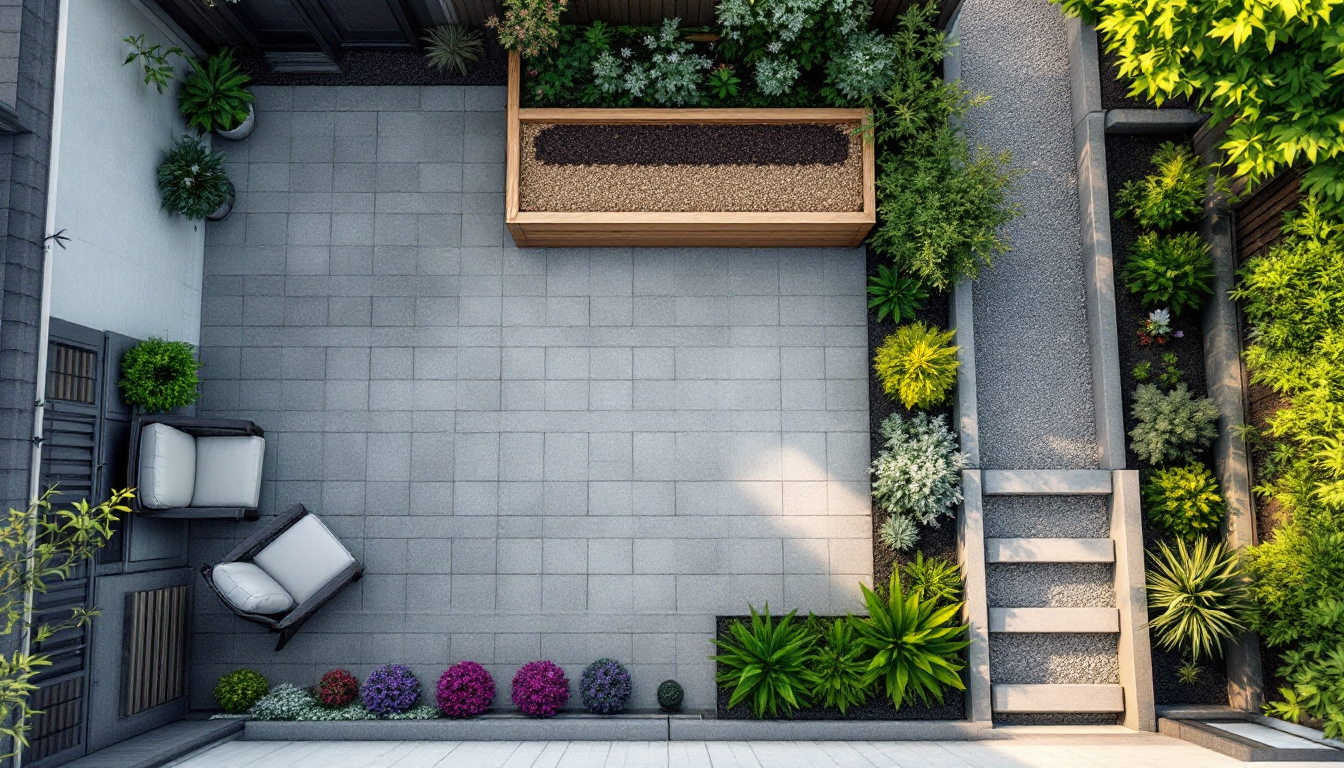
1. Single-Zone Patio Yard
This approach dedicates almost the entire backyard to one hardscaped surface — pavers, concrete, or decking — with planting pushed to the perimeter in narrow beds or containers.
- Cost: Moderate to high upfront, since hardscape is the most expensive square footage in any yard.
- Maintenance: Low. No mowing, minimal weeding, occasional resealing or joint sand top-up.
- Best for: Yards used mainly for dining, entertaining, or outdoor furniture rather than gardening.
If you go this route, pattern and material choice carry the design, since there's little greenery to soften the space. A detailed material comparison is worth reading before committing — see the paver patio ideas comparison for cost and pattern trade-offs.
2. Layered Planting Beds with a Gravel Path
Here the yard is mostly garden, with a narrow decomposed-granite or pea-gravel path threading through layered beds — low groundcover in front, mid-height perennials, shrubs or small trees at the back.
- Cost: Low to moderate; gravel and plants cost less than hardscape per square foot, though plant establishment takes a season or two.
- Maintenance: Moderate to high — pruning, deadheading, and seasonal replanting.
- Best for: Owners who enjoy hands-on gardening and want year-round visual change.
This option delivers the most texture and seasonal interest per dollar, but it's the least forgiving of neglect. A yard left unattended for one summer can look overgrown fast.
3. Raised Bed Kitchen Garden
Raised beds — wood, metal, or concrete block — turn a small backyard into a productive growing space while also solving grading and soil-quality problems in one move.
- Cost: Low to moderate, scalable one bed at a time.
- Maintenance: Moderate, concentrated in growing season; much easier on the back than ground-level beds.
- Best for: Food-focused households, yards with poor native soil, or sites with a slight slope where beds can double as informal terracing.
On sloped sites, raised beds can work alongside a proper grade-control structure rather than instead of one. If your yard drops more than a foot or two across its length, compare options in the retaining wall ideas comparison before building beds on uneven ground.
4. Lawn-Free Xeriscape
Gravel mulch, drought-tolerant grasses, succulents, and sculptural shrubs replace turf entirely. This has moved well beyond desert climates and now shows up in small urban yards everywhere water or mowing time is at a premium.
- Cost: Moderate upfront (soil prep, gravel, irrigation), very low to run.
- Maintenance: Low — occasional pruning and weed control, no mowing, minimal watering once established.
- Best for: Hot or dry regions, water-conscious households, or anyone tired of lawn upkeep.
The trade-off is a more austere look in the first year or two, before plants fill in and soften the gravel.
5. Multi-Level Deck or Terrace
On sloped or uneven lots, stacking the usable area across two or three levels — connected by a few steps — can make a small yard feel larger than a single flat plane ever would.
- Cost: High, due to structural framing, footings, and railing requirements.
- Maintenance: Moderate, dependent on decking material (wood needs periodic staining; composite needs almost none).
- Best for: Sloped lots, yards with drainage challenges, or situations where a flat patio simply isn't an option.
This is the most expensive strategy on this list, but it's often the only one that actually works on a steep grade. It frequently gets paired with retaining structures lower in the yard rather than used as a stand-alone fix.
6. Container and Vertical Garden
For yards too small or too paved-over for ground planting — think courtyards, rooftop-adjacent spaces, or rental properties — containers and vertical structures (trellises, living walls, tiered planters) deliver greenery without committing to permanent beds.
- Cost: Low to moderate, and fully scalable.
- Maintenance: Moderate; containers dry out faster than in-ground beds and need more frequent watering and feeding.
- Best for: Renters, tiny patios, or yards where soil quality or drainage makes ground planting impractical.
It's also the easiest option to change your mind about — containers can be rearranged or swapped seasonally in a way that none of the other strategies allow.
7. Enclosed Garden Room
This treats the backyard as a true outdoor room: a fence or hedge for enclosure, a defined floor material, overhead shade (pergola or tree canopy), and furniture arranged like a living room. It's less a planting style than a spatial philosophy, often combining elements of the patio and layered-bed approaches above.
- Cost: Moderate to high, depending on the enclosure and overhead structure chosen.
- Maintenance: Varies by the elements included.
- Best for: Yards that feel exposed to neighbors or the street, or anyone who wants the backyard to function as genuine extra living space.
Privacy is usually the first problem to solve here, and fencing material affects both cost and how enclosed the space feels. The backyard fence ideas comparison breaks down privacy levels and upkeep by material.
Matching a Strategy to Your Site
None of these seven approaches is objectively "best" — the right one depends on slope, climate, how much time you want to spend maintaining it, and what the yard needs to do for your household. Many finished small backyards actually blend two or three strategies: a compact patio near the house, a raised bed along one fence line, a few containers on the steps. Sketching the layout to scale before buying materials catches conflicts early — a tool like the planning features at Home3DPlan makes it easier to test how a patio size, bed shape, or deck footprint will actually sit within a small lot before anything gets built.