7 Backyard Fence Ideas Compared: Materials, Cost, Privacy, and Upkeep
By Marta Nowak, Landscape & Outdoor Designer · October 6, 2026
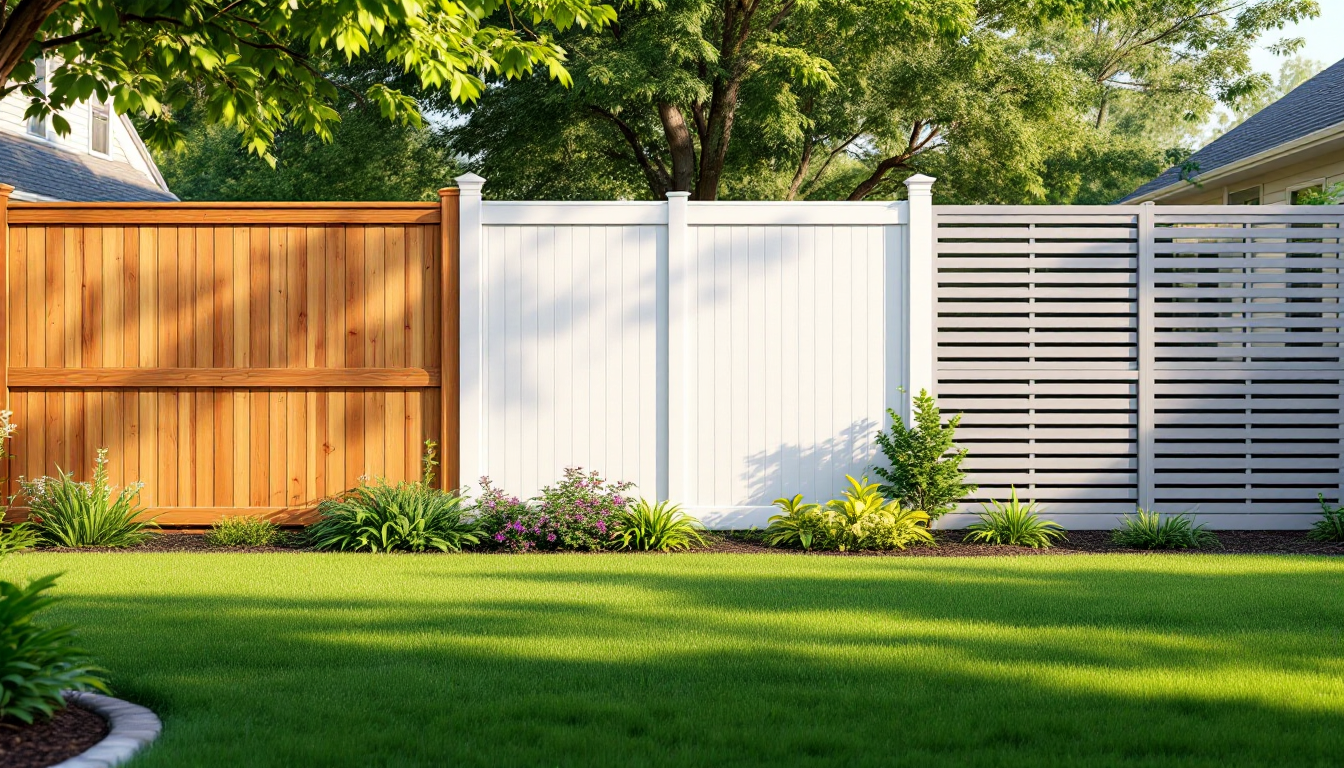
Choosing a Fence Is Really Choosing a Trade-Off
Every backyard fence decision comes down to balancing four things: upfront cost, how much privacy you need, how much upkeep you're willing to do, and how long the fence should last. No single material wins on all four fronts, which is why the "best" fence is really the one that matches your site, climate, and patience for maintenance. If you haven't yet nailed down the basics of style, height rules, or layout, our beginner's guide to choosing the right fence is a good place to start before you compare specific options below.
This guide lines up seven common fence types side by side so you can weigh them against your own priorities, whether that's blocking a neighbor's view, containing a dog, or simply framing a garden bed.
1. Wood Privacy Fence
The classic solid-board fence remains popular because it delivers full privacy and a warm, traditional look. Cedar and redwood resist rot naturally, while pressure-treated pine is the budget option but needs sealing every two to three years.
- Cost: Moderate ($20-$40 per linear foot installed)
- Privacy: Excellent
- Maintenance: Moderate to high — staining, sealing, occasional board replacement
- Lifespan: 15-20 years with upkeep
2. Vinyl Fence
Vinyl panels mimic the look of painted wood without the repainting. They resist moisture, insects, and fading better than most woods, which makes them appealing in humid or rainy climates.
- Cost: Higher upfront ($25-$45 per linear foot) but lower lifetime cost
- Privacy: Excellent in solid-panel styles
- Maintenance: Low — occasional hosing off
- Lifespan: 20-30 years
3. Chain Link
Still the most economical way to secure a yard, especially for pets or pool code compliance. It won't give you privacy on its own, but woven privacy slats or climbing vines can soften the look.
- Cost: Low ($8-$20 per linear foot)
- Privacy: Minimal unless slats or plantings are added
- Maintenance: Very low
- Lifespan: 15-20 years
4. Aluminum or Steel Ornamental Fence
Metal picket-style fencing suits pool enclosures and front-yard-adjacent spaces where you want a decorative, see-through boundary rather than full screening. Powder-coated finishes resist rust well.
- Cost: Moderate to high ($25-$50 per linear foot)
- Privacy: Low — open sightlines by design
- Maintenance: Low
- Lifespan: 20+ years
5. Bamboo or Reed Screening
A fast, affordable way to add texture and privacy to an existing chain link or wire fence, or as a standalone panel system. It brings a natural, coastal or tropical feel but isn't as sturdy as wood or vinyl.
- Cost: Low ($5-$15 per linear foot)
- Privacy: Good when installed densely
- Maintenance: Moderate — can fray or fade in strong sun
- Lifespan: 5-10 years
6. Horizontal Wood Slat Fence
A modern alternative to vertical pickets, horizontal slats create a sleek, architectural look that pairs well with contemporary homes. Gaps between boards can be tight for privacy or spaced wider for a semi-open screen.
- Cost: Moderate to high ($30-$50 per linear foot, more labor-intensive)
- Privacy: Adjustable by spacing
- Maintenance: Moderate — same sealing needs as vertical wood
- Lifespan: 15-20 years
7. Living Hedge or Mixed Fence-and-Planting Border
Instead of a hard material, some yards are better served by a dense hedge (arborvitae, privet, or boxwood) paired with a low decorative fence for structure. This approach softens hard boundaries and doubles as a backdrop for a patio or seating area you're planning nearby.
- Cost: Low to moderate upfront, ongoing plant costs
- Privacy: Excellent once established (takes 2-5 years to mature)
- Maintenance: Moderate — pruning, watering, occasional replacement
- Lifespan: Decades, if maintained
How to Narrow Down Your Choice
Start by ranking your non-negotiables. If privacy from a close neighbor is the main driver, solid wood, vinyl, or a tight horizontal slat fence will outperform anything open like aluminum or chain link. If budget is the constraint, chain link with slats or bamboo screening stretches dollars further than premium vinyl.
Climate matters too: in wet or coastal regions, vinyl and aluminum resist warping and rust better than untreated wood. In windy areas, solid fences act like sails and may need engineered posts or wind gaps built into the design — something worth sketching out alongside your yard's grading and retaining wall plans if your lot has any slope, since fence posts on a grade need different footing depths than on flat ground.
Finally, think about how the fence reads from inside the house and from the patio. A fence is effectively the wall of an outdoor room, so its color, height, and material should relate to your home's exterior the same way you'd coordinate materials indoors. If you want to test combinations before committing, mapping the yard in a home design planning tool lets you preview fence height, gate placement, and sightlines against your actual lot dimensions before any posts go in the ground.
Quick Comparison Summary
- Best for full privacy on a budget: Pressure-treated wood privacy fence
- Best for lowest long-term maintenance: Vinyl
- Best for pets and pools: Chain link or aluminum ornamental
- Best for modern curb appeal: Horizontal slat fence
- Best for softening a hard boundary: Living hedge with low fence