Backyard Fence Ideas: A Beginner's Guide to Choosing the Right Fence
By Marta Nowak, Landscape & Outdoor Designer · October 5, 2026
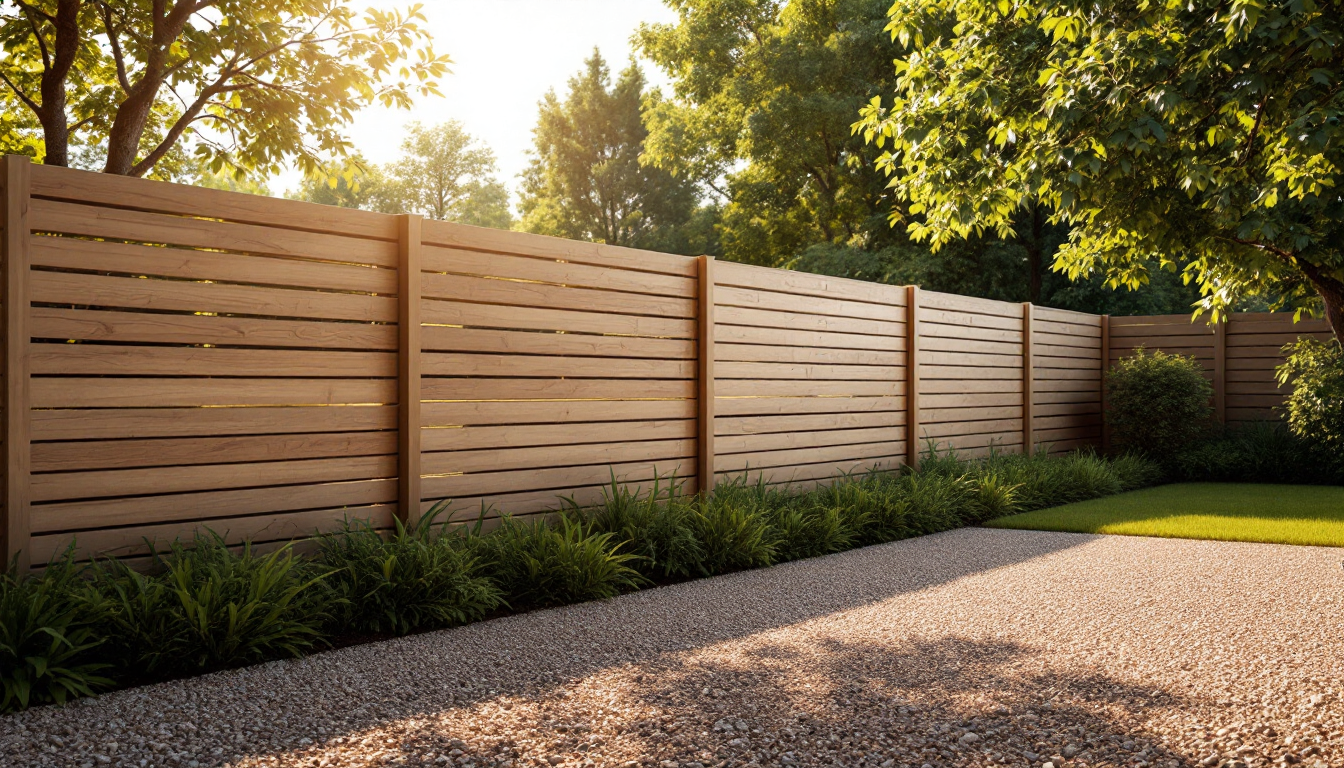
Why Your Fence Is a Design Decision, Not Just a Boundary
A backyard fence does more work than most homeowners expect. It defines where your lawn ends and the neighbor's begins, it keeps pets and kids contained, it blocks wind and street noise, and it sets the visual tone for everything else you build outside — from a paver patio to a planting bed along the property line. If you're starting from scratch, it helps to think of the fence as the "walls" of your outdoor room, much the way you'd think about walls when planning an interior layout.
This guide walks through the basics: the common fence styles, how to choose a height and material, and the small decisions that make a big difference once the posts are in the ground.
Step 1: Decide What the Fence Needs to Do
Before browsing styles, get clear on purpose. Most backyard fences solve one or more of these problems:
- Privacy — blocking sightlines from neighbors or the street
- Security and containment — keeping kids and pets safely inside
- Boundary marking — a clear, low-key line between properties
- Wind or noise buffering — softening gusts or street sound
- Decoration — framing garden beds or a seating area without blocking views
Your answer narrows the field quickly. A 6-foot solid privacy fence solves a very different problem than a 3-foot picket fence around a flower bed, and pricing changes just as much as the look does.
Step 2: Learn the Common Fence Styles
Privacy Fences
Built from tightly spaced vertical boards (usually 6 feet tall), privacy fences block views completely. They're the standard choice for backyards near busy streets or close neighbors, and they pair well with wood or composite materials.
Picket Fences
Short, evenly spaced boards with pointed or rounded tops — classic, charming, and better for marking a boundary than for privacy. Picket fences work well at the front of a property or around a vegetable garden.
Split-Rail Fences
Horizontal rails slotted into posts, with open gaps between them. These suit rural or large properties where you want a visual boundary without blocking the view of open land.
Shadowbox Fences
Boards alternate on either side of the rail, so the fence looks the same from both sides and allows some airflow and partial visibility — a good compromise between a privacy fence and an open rail fence.
Metal and Wrought-Iron Style Fences
Aluminum or steel fences offer durability and a more formal look. They're common around pools (many areas require code-compliant pool fencing) because they're low-maintenance and hard to climb.
Living Fences (Hedges and Screens)
Rows of dense shrubs or trained vines can act as a "fence," offering privacy that grows in over a season or two. Living fences take longer to establish but soften a yard in ways no material fence can.
Step 3: Choose a Material
Each material trades off cost, maintenance, and lifespan differently:
- Wood — warm, versatile, and relatively affordable, but needs periodic staining or sealing
- Vinyl — low maintenance and long-lasting, with a higher upfront cost
- Composite — wood-look boards made from recycled materials, durable but pricier
- Metal (aluminum/steel) — strong and low-maintenance, often used for security or pool enclosures
- Chain-link — budget-friendly and functional, though it offers no privacy on its own
If you're also planning hardscaping elsewhere in the yard, it's worth choosing fence materials that echo the tones of your patio or deck. The same wood-tone logic used indoors — covered in this guide to mixing wood tones confidently — applies outdoors too: a fence, deck, and furniture in wildly different wood tones can make a small backyard feel visually busy.
Step 4: Think About Height and Local Rules
Most residential backyard fences range from 3 to 6 feet. Front-yard fences are typically capped lower (often 3–4 feet) for sightline and safety reasons, while backyard privacy fences commonly max out around 6 feet unless you get a variance. Before you commit to a height or style, check your local zoning code and, if applicable, your homeowners association rules — many areas also require a permit for fences over a certain height or near a property line.
Step 5: Plan Around Your Site's Shape and Slope
A flat, rectangular yard is the easiest case: posts go in on a level line, and panels run straight across. But if your backyard slopes, you'll need to decide between a stepped fence (panels follow the grade in level sections) or a racked fence (the whole panel angles to follow the slope continuously). Steep slopes sometimes call for terracing the yard first — if you're dealing with a meaningful grade change, it's worth reading up on retaining wall options for sloped backyards before you finalize fence placement, since a wall can change where the fence line actually sits.
Step 6: Don't Forget the Details
- Gates — plan at least one wide enough for a mower or wheelbarrow
- Post spacing and footings — concrete-set posts resist wind and frost heave far better than tamped soil
- Finish — stain, paint, or let wood weather naturally to a silver-gray
- Softening the line — a narrow planting bed along the fence base hides the hardware and blends the fence into the landscape
Bringing It All Together
A backyard fence is easiest to get right when you treat it as part of the whole outdoor layout rather than an afterthought. Sketch your yard, mark where privacy matters most, note any slope or drainage issues, and only then start comparing styles and materials. If you want to visualize how a fence line, patio, and planting beds will work together before committing to materials, tools like home3dplan.com let you lay out your yard in a 3D plan so you can test height, placement, and sightlines before a single post goes in the ground.