7 Paver Patio Ideas Compared: Materials, Patterns, and Costs
By Marta Nowak, Landscape & Outdoor Designer · September 30, 2026
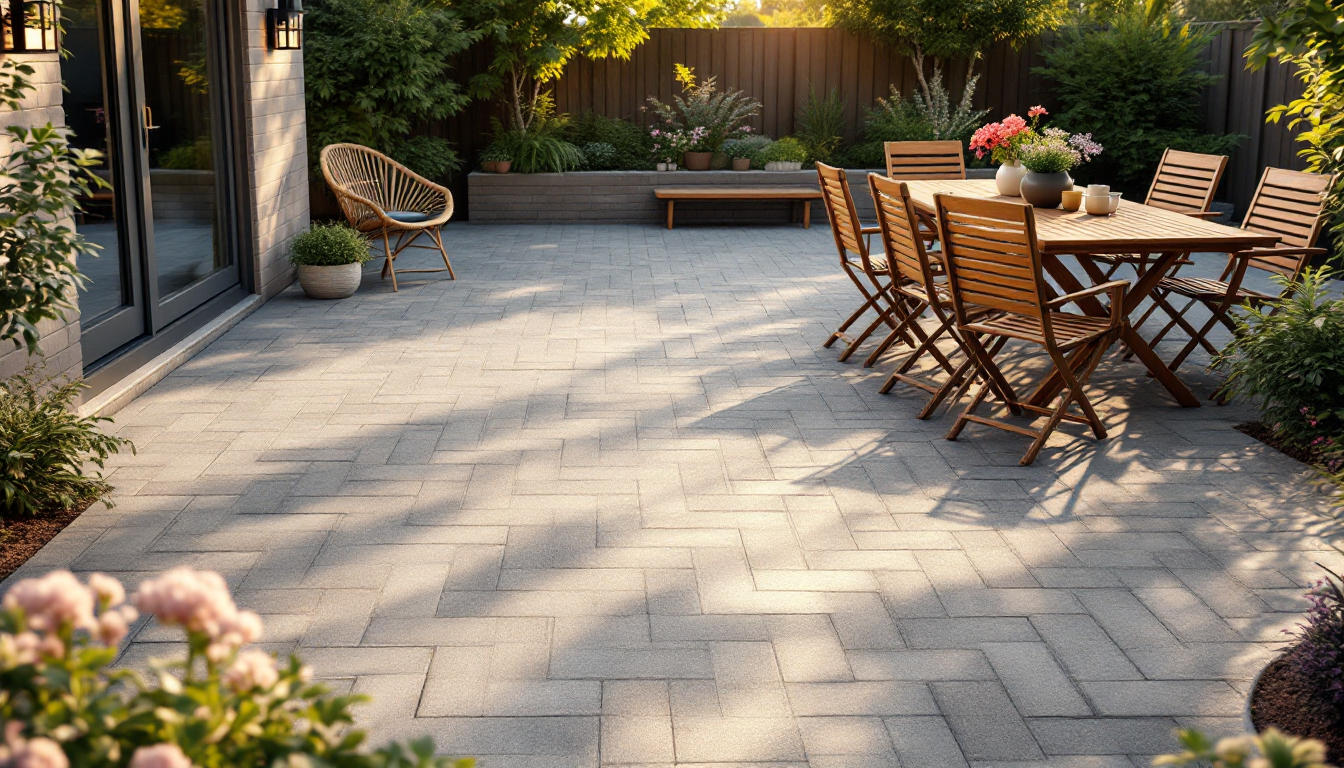
Choosing a Paver Patio Approach That Actually Fits Your Yard
Once you've decided a paver patio is the right project, the next question is harder: which pavers, which pattern, and which layout strategy makes sense for your site and budget? If you're still at the very beginning of the process, our beginner's guide to planning your first paver patio covers the fundamentals of sizing, base preparation, and drainage. This article picks up from there and compares seven concrete approaches side by side, so you can weigh trade-offs before you order a single pallet of stone.
1. Concrete Pavers
Concrete pavers are the default choice for good reason: they're widely available, relatively inexpensive, and come in dozens of shapes, from classic rectangles to tumbled cobble looks. Expect to pay roughly $3-$6 per square foot installed in most regions. They handle freeze-thaw cycles well when set on a properly compacted base, and color options range from muted grays to warm terracotta blends. The trade-off is that lower-end concrete pavers can fade over time and may look less refined than natural stone up close.
2. Natural Stone Pavers (Bluestone, Travertine, Flagstone)
Natural stone brings texture and color variation that manufactured units can't fully replicate. Bluestone and travertine are popular for their durability and elegant, slightly irregular surface; flagstone works well for a looser, more organic patio edge. Costs run higher, often $10-$25 per square foot installed, because the material itself is pricier and cutting irregular pieces takes more labor. Natural stone is a strong pick if the patio sits near a home with stone accents, brick, or a more traditional architectural style.
3. Porcelain Pavers
Porcelain pavers are a newer entrant that's gained traction for modern outdoor spaces. They're extremely dense, resist staining and fading, and can be manufactured to mimic wood, concrete, or stone finishes. They're often laid on pedestal systems for easy drainage over decks or rooftops, or set traditionally over a compacted base. Pricing typically lands between $8-$18 per square foot installed. The main limitation is impact resistance — porcelain can chip if a heavy object is dropped directly on an edge, so it suits careful, design-forward yards more than high-traffic family play areas.
4. Brick Pavers
Clay brick pavers pair naturally with traditional and colonial-style homes and tend to hold their color better than concrete over decades, since the pigment runs through the entire unit rather than sitting on the surface. They're a good match for herringbone or basketweave patterns, which we'll get to below. Costs are moderate, generally $8-$15 per square foot installed. Brick is also easier to source in reclaimed or antique form if you want a patio that looks like it's been there for generations.
5. Permeable Pavers
If your yard struggles with runoff, or your municipality has stormwater restrictions, permeable paver systems are worth serious consideration. These units have wider joints filled with fine gravel that let water filter through to a stone reservoir below rather than sheeting off into storm drains. They cost more upfront, largely due to the specialized base depth required, but they can reduce erosion and pooling issues that plague poorly drained patios. This option pairs particularly well with a broader landscaping and outdoor design plan that already includes rain gardens or berms for managing water on-site.
6. Pattern Choice: Herringbone, Running Bond, and Basketweave
The paver material is only half the decision — pattern changes both the visual effect and the structural performance. Herringbone patterns interlock units at 45- or 90-degree angles, which distributes weight well and suits driveways or high-traffic patios. Running bond is the simplest and fastest to install, offering a clean, linear look. Basketweave, often used with square or brick-shaped units, creates a woven visual texture that reads as more traditional. If you're unsure which will suit your layout, sketching the patio footprint first — similar to how you'd compare a floor plan against an elevation drawing before building indoors — helps you visualize scale before committing to a pattern.
7. DIY Installation vs. Hiring a Contractor
The last comparison isn't about the pavers themselves but who lays them. DIY installation can cut labor costs significantly, but it demands correct excavation depth, base compaction, and edge restraint — skip any of these and the patio will shift or sink within a couple of seasons. A professional crew brings speed and warranty coverage, typically finishing a mid-size patio in two to four days versus a multi-weekend DIY timeline. For complex patterns like herringbone or curved layouts, a contractor's experience with cutting pavers cleanly is hard to replicate without practice.
Quick Comparison at a Glance
- Best value: Concrete pavers
- Best for classic curb appeal: Brick pavers
- Best for modern design: Porcelain pavers
- Best for natural texture: Bluestone or flagstone
- Best for drainage problem yards: Permeable pavers
- Best for high-traffic durability: Herringbone pattern, any material
- Best for tight budgets and timelines: DIY with running bond pattern
Making the Final Call
There's rarely a single "correct" answer among these seven options — the right choice depends on your climate, your home's architectural style, and how the patio will actually be used day to day. A fire-pit lounge area calls for different priorities than a dining patio off the kitchen. Before finalizing material and pattern, it's worth revisiting common site-planning errors; our guide to landscaping mistakes to avoid covers grading and drainage pitfalls that apply directly to patio installations. Getting the base and slope right matters more, in the long run, than which paver style you settle on.