Small Backyard Landscaping Ideas: A Beginner's Guide to Planning Your Space
By Marta Nowak, Landscape & Outdoor Designer · October 9, 2026
Why Small Backyards Need a Plan, Not Just a Shopping List
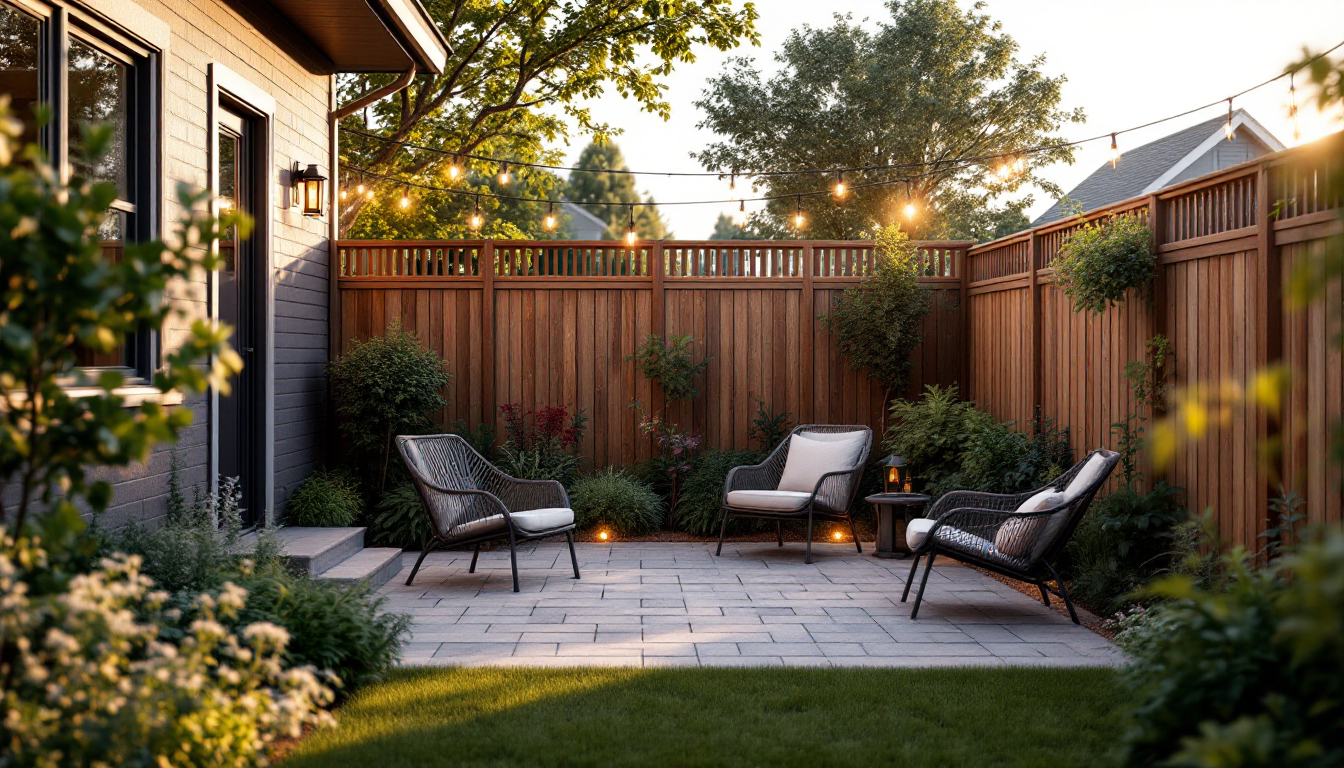
It's tempting to walk into a garden center, buy whatever looks pretty, and figure out placement later. In a small backyard, that approach backfires fast. Every square foot has to earn its keep, and a few wrong decisions — a shrub planted too close to the fence, a patio too small to fit a table — can make the space feel cramped rather than cozy. This guide walks through the basic steps of planning a small backyard from scratch, so you can make confident decisions before you dig a single hole.
Step 1: Measure and Map Your Site
Before thinking about plants or furniture, get an accurate sense of the space you're working with. Measure the yard's length and width, note where the sun falls at different times of day, and mark any slopes, drainage issues, or existing structures like sheds or utility boxes. A simple sketch on graph paper is enough; you don't need professional software. If your yard has any significant grade change, it's worth understanding how that affects your layout — our beginner's guide to retaining walls on a sloped backyard explains how to work with, rather than against, uneven ground.
Once you have a rough map, divide the yard into zones on paper: a seating area, a planting bed, maybe a small lawn patch or a utility corner for bins and tools. Thinking in zones, rather than trying to fill the whole yard at once, is the single most useful habit for small-space design.
Step 2: Define Your Boundaries First
In a small yard, the edges do a lot of visual work. A fence, hedge, or low wall gives the space a sense of enclosure and privacy, which paradoxically makes it feel larger because your eye has a clear stopping point instead of trailing off into a neighbor's yard. If you haven't chosen a boundary treatment yet, it helps to compare your options early, since fencing material affects cost, maintenance, and how much privacy you actually get — see this introduction to choosing the right backyard fence for the basics before you commit.
Once the boundary is set, you can plant in front of or along it to soften hard lines — climbing vines on a fence, or a low hedge along a wall, both add texture without eating into usable floor space.
Step 3: Choose One Hardscape Anchor
Every functional backyard needs at least one paved or hard surface area — a spot for a table, chairs, or a grill that stays usable regardless of recent rain or mowing schedule. In a small yard, resist the urge to pave too much; a modest 8x10-foot patio is often plenty for two to four people. Materials matter here too: poured concrete, gravel, and pavers all behave differently in terms of cost and upkeep. If you're deciding what to put underfoot, this guide to planning your first paver patio walks through sizing, base preparation, and pattern choices in plain language.
Keep the hardscape simple and rectangular if this is your first landscaping project. Curves and intricate patterns look appealing in photos but are harder to execute well in a tight footprint.
Step 4: Plant in Layers, Not Rows
A common beginner mistake is lining plants up like soldiers along the fence. Instead, think in layers: taller shrubs or small trees toward the back or corners, mid-height perennials in the middle, and low groundcover or edging plants at the front. This layered approach creates depth even in a yard that's only a few feet deep.
A few practical tips for small-space planting:
- Choose a limited palette. Three to five plant varieties repeated throughout the yard look more intentional than a dozen different specimens scattered randomly.
- Think about mature size. A shrub that looks small at the nursery may triple in size within a few years — check growth habits before you plant near paths or structures.
- Use containers for flexibility. Pots let you add seasonal color or move plants around without committing to permanent placement, which is useful while you're still learning what works in your specific light and soil conditions.
- Consider raised beds. They improve drainage, keep soil quality consistent, and create a clear visual boundary between planting areas and walkways.
Step 5: Add Vertical Interest
When floor space is limited, go up. Trellises, wall-mounted planters, and tiered shelving let you add greenery without sacrificing walkway or seating room. A pergola or simple overhead structure can also define a "room" within the yard, giving the seating area a sense of ceiling the way a roofline defines a room indoors — a concept worth understanding if you're also planning changes to the house itself; our overview of common roof types and rooflines is a useful companion read if you're extending a structure into the yard.
Step 6: Light the Space for Evening Use
A small backyard often gets more use after sunset than during the day, especially in warmer months. Low-voltage path lights, string lights over the seating area, and a couple of well-placed spotlights on a tree or wall can transform a plain yard into a genuine outdoor room. Just as layering indoor light sources creates a comfortable living room, layering outdoor lighting — ambient, task, and accent — makes a backyard feel finished rather than just illuminated.
Common Beginner Mistakes to Avoid
- Overplanting a small bed because empty soil looks "unfinished" on day one.
- Skipping a materials plan and mixing too many paving types, colors, or textures.
- Ignoring drainage until after a patio or bed is already built.
- Designing only for summer, leaving the yard bare the rest of the year.
Next Steps
Once you understand the basic zones, boundaries, hardscape, and planting layers, you're ready to start sketching your own layout. If you want to visualize changes before committing budget to them, tools built for home and garden planning — including options available through Home3DPlan — can help you test furniture placement, paving layouts, and planting beds digitally before anything gets installed outdoors.