Japandi or Scandinavian? A Room-by-Room Buyer's Guide to Choosing Your Style
By Camille Moreau, Lead Interior Designer · July 26, 2026
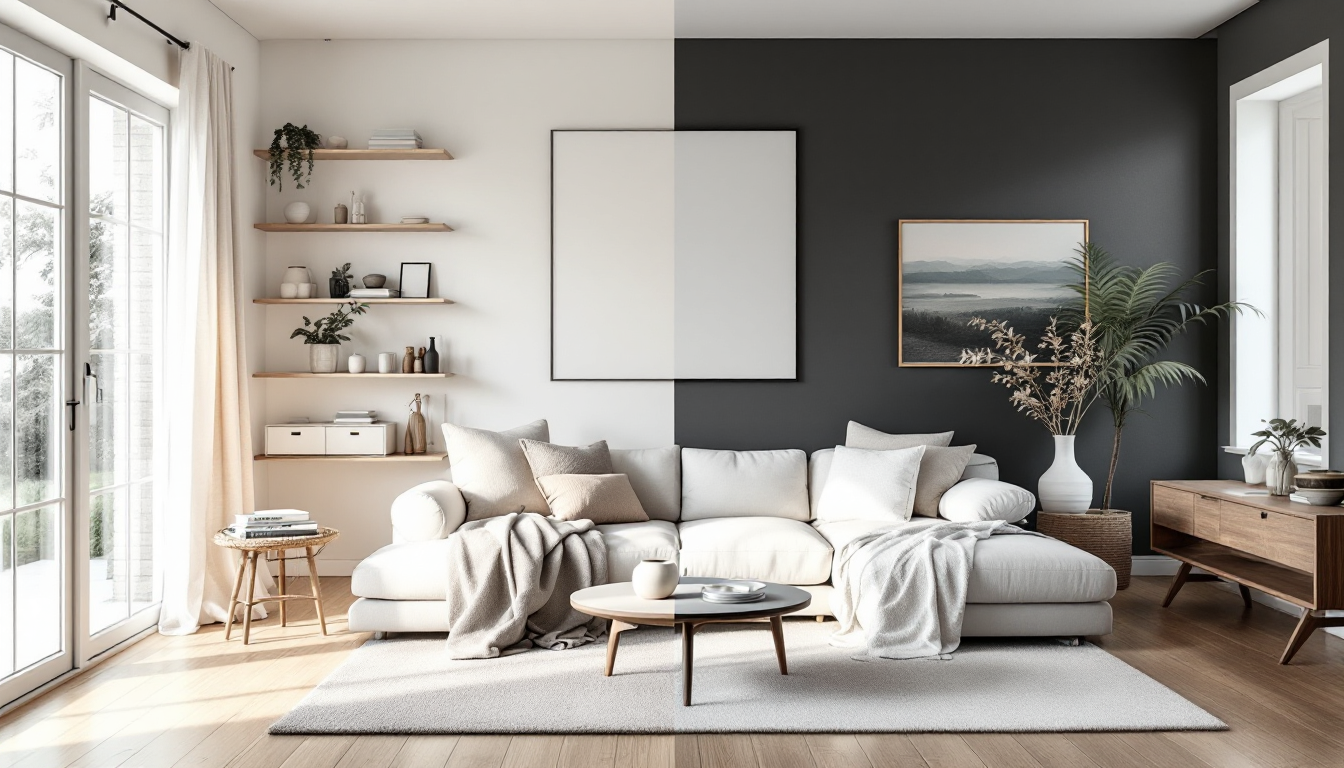
Two calm styles, two different destinations
Japandi and Scandinavian design are often lumped together because both favor light, uncluttered rooms. But once you start shopping for furniture, paint, and flooring, the differences matter. This guide is built for decision-making: it compares the two styles across the practical factors that actually shape a renovation or refresh, so you can commit to one direction instead of buying a little of everything and ending up with a room that feels unresolved. If you want the foundational definitions first, our beginner's guide to telling Japandi and Scandinavian apart covers the history and vocabulary in more depth.
Quick comparison at a glance
- Color palette: Scandinavian leans on crisp whites, pale grays, and soft pastels. Japandi shifts warmer, with charcoal, clay, moss green, and ink black mixed into the neutrals.
- Wood tone: Scandinavian favors bleached or blond woods like pine, birch, and ash. Japandi mixes light wood with darker, more textured pieces such as walnut or smoked oak.
- Furniture silhouette: Scandinavian pieces are curved, light-framed, and often raised on slim tapered legs. Japandi favors low-slung, rectilinear forms closer to the floor.
- Decorative density: Scandinavian allows more layered textiles, hygge-style throws, and seasonal accessories. Japandi is stricter about negative space and displays fewer objects, chosen with more intention.
- Mood: Scandinavian reads bright and cheerful; Japandi reads quiet and meditative.
Factor 1: Budget and where your money goes
Scandinavian style is generally easier to build affordably. Big-box retailers stock plenty of pale birch furniture, cotton textiles, and simple ceramics, so a starter room can come together on a modest budget. Japandi tends to cost more per square foot because its impact depends on a small number of well-made pieces: a solid-wood low bed frame, a single ceramic vessel, a considered linen. There is nowhere for a cheap veneer to hide when a room is this pared back. If budget is tight, Scandinavian gives you more forgiving margin; if you can invest in fewer, better things, Japandi rewards that approach.
Factor 2: Climate and light
Scandinavian design was born to combat long, dark winters, which is why it maximizes reflected light with white walls, sheer curtains, and glossy or lacquered surfaces. Japandi, drawing on Japanese interiors, is more comfortable with shadow and uses matte, textured finishes that absorb light rather than bounce it. If your home already gets strong natural light, Japandi's warmer, moodier palette will feel grounded rather than dim. In a north-facing or low-light room, Scandinavian's brighter approach may be the safer, more livable choice.
Factor 3: How much maintenance you want
Matte oiled wood, raw linen, and unglazed ceramics (common in Japandi) need more careful upkeep than the lacquered, easy-wipe surfaces typical of Scandinavian furniture. If you have young kids, pets, or simply don't want to re-oil a coffee table twice a year, lean Scandinavian. If you enjoy the ritual of caring for natural materials as they age, Japandi's patina-friendly approach can be a genuine pleasure rather than a chore.
Factor 4: Room-by-room fit
Living room
Scandinavian living rooms build coziness through layered textiles and a mix of collected objects — a look explored well in our comparison of seven ways to make a room look cozy. Japandi living rooms achieve warmth through fewer, larger gestures: one substantial wood coffee table, a low sofa, and a single sculptural lamp.
Bedroom
Both styles suit bedrooms well, but Japandi's low platform beds and futon-inspired frames create a distinctly grounded, restful feel that's harder to achieve with the taller, leggier Scandinavian bed frames.
Kitchen
Scandinavian kitchens favor white cabinetry, open shelving, and light countertops. Japandi kitchens introduce darker lower cabinets, matte black hardware, and stone with visible veining. Either pairs well with efficient layouts — see our breakdown of kitchen work triangle versus modern zone layouts when you're planning the underlying floor plan alongside the finish choices.
Home office
Japandi's discipline around clutter makes it a strong fit for small home offices where visual noise is distracting. Scandinavian's brighter palette suits offices that double as creative or craft spaces.
Factor 5: Wood finish decisions
Because wood tone is one of the biggest visual differentiators between the two styles, get this decision right before buying furniture. Scandinavian rooms usually call for light, natural, or white-washed finishes; Japandi rooms need at least one deep, richly stained piece to anchor the palette. If you're refinishing existing furniture rather than buying new, our comparison of wood stain types is a useful reference for matching stain depth to whichever direction you choose.
Which one should you choose?
- Choose Scandinavian if you want a brighter, more budget-friendly room, live in a low-light climate, and prefer easy-care surfaces.
- Choose Japandi if you're drawn to a warmer, quieter aesthetic, are willing to invest in fewer high-quality pieces, and don't mind maintaining natural materials.
- Choose a blend if you want Scandinavian's brightness with Japandi's textural depth — this is arguably the most popular real-world outcome, and neither camp will fault you for it.
Whichever direction you settle on, sketching the room first helps you test furniture scale and wood tones before committing to a purchase. Tools like the room planner on Home3DPlan let you lay out furniture digitally so you can compare a Scandinavian arrangement against a Japandi one before spending a cent.