Japandi vs Scandinavian Style: A Beginner's Guide to Telling Them Apart
By Camille Moreau, Lead Interior Designer · July 25, 2026
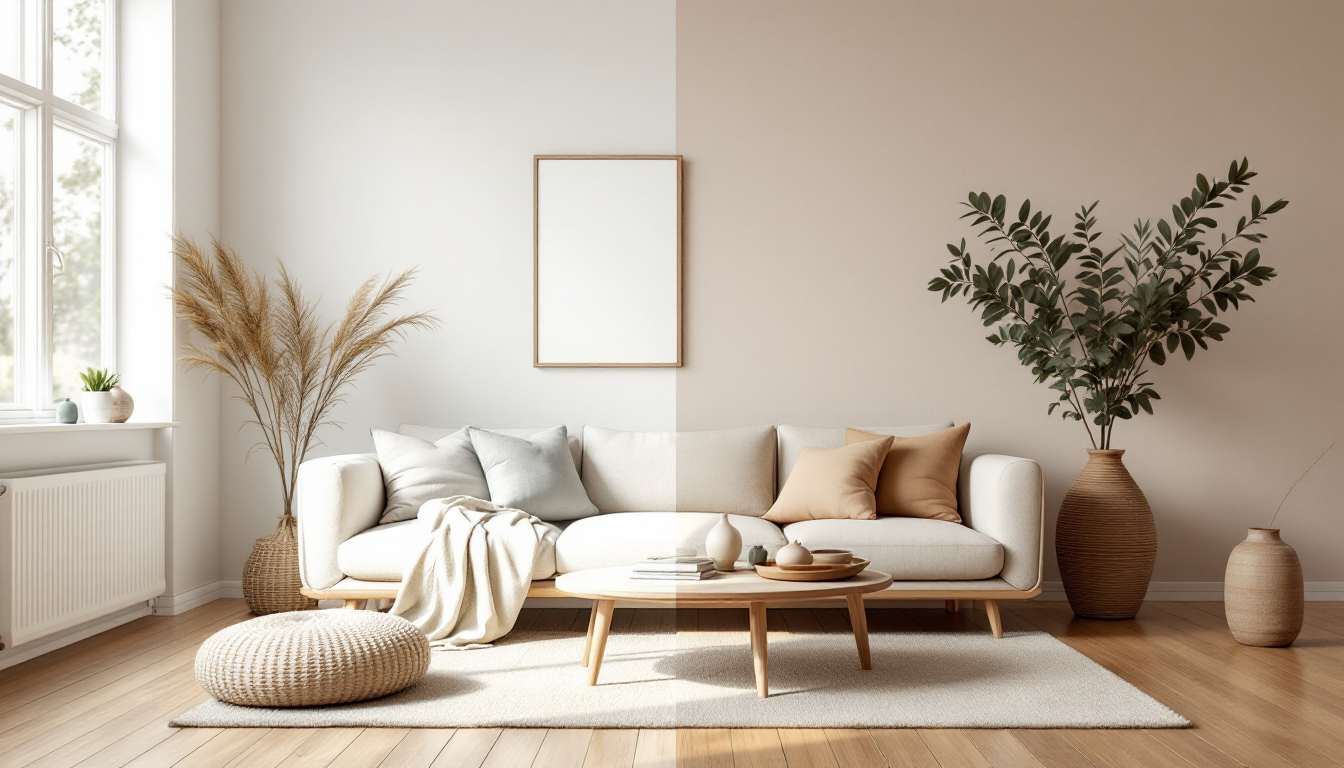
Two Calm Styles, Two Different Moods
If you've been scrolling design boards lately, you've probably noticed that "Scandinavian" and "Japandi" keep getting used almost interchangeably. They share a love of light, natural materials, and clutter-free rooms, but they are not the same style. Understanding the difference matters if you're about to choose paint colors, furniture, or flooring for a real room — because the wrong mix can leave a space feeling neither cozy nor calm, just undecided.
This guide breaks down what each style actually means, where they overlap, and how to figure out which one (or which blend) suits your home. Think of it as the foundational explainer; if you want a side-by-side comparison of specific design choices, that's covered in a separate companion article.
What Is Scandinavian Style?
Scandinavian design emerged from the Nordic countries in the early-to-mid 20th century, shaped by long dark winters and a practical, democratic design philosophy. The goals were simple: let in as much light as possible, keep homes functional, and make good design affordable for everyone.
- Color palette: Predominantly white and off-white walls, with soft grays, pale blues, and blush accents.
- Materials: Pale woods like birch, ash, and beech; light-colored wool and linen textiles.
- Furniture: Clean-lined, mass-producible pieces — think tapered wooden legs, molded plywood chairs, and simple upholstery.
- Mood: Bright, airy, cheerful, and casual, with a strong emphasis on hygge — coziness through texture, candles, and soft lighting.
If you want a deeper walkthrough of how to build that inviting, lived-in feeling in a Scandinavian-leaning room, this beginner's guide to making a room look cozy is a useful next step, since coziness is central to how the style actually functions day to day.
What Is Japandi?
Japandi is a newer, hybrid style that blends Japanese minimalism with Scandinavian warmth. Both design traditions independently value simplicity, craftsmanship, and a close relationship with nature, so the fusion feels surprisingly natural rather than forced.
- Color palette: Warmer and more muted than Scandinavian — think clay, charcoal, sage green, deep browns, and black accents alongside soft neutrals.
- Materials: Darker woods such as walnut and oak, unglazed ceramics, stone, bamboo, and natural fiber rugs like jute or seagrass.
- Furniture: Lower-profile pieces, often with visible joinery, rounded edges, and a handmade quality. Japanese concepts like wabi-sabi (beauty in imperfection) show up in slightly irregular, artisanal objects.
- Mood: Quiet, grounded, and meditative — closer to a tea room than a Nordic cabin, with fewer decorative objects and more negative space.
Key Differences at a Glance
- Warmth of palette: Scandinavian leans cool and bright; Japandi leans warm and earthy.
- Wood tone: Scandinavian favors pale woods; Japandi favors darker, richer woods with visible grain.
- Furniture height: Scandinavian pieces sit at standard height; Japandi often uses low platform beds, low tables, and floor cushions influenced by Japanese living.
- Decoration: Scandinavian allows more texture layering (blankets, candles, plants); Japandi is more restrained, prioritizing a few well-made objects over many soft accents.
- Underlying philosophy: Scandinavian is about democratic, functional comfort; Japandi is about intentionality, craftsmanship, and slowing down.
For a more detailed side-by-side comparison across several specific decisions — flooring, lighting, storage — see the companion piece on comparing different approaches to a comfortable room, which applies a similar comparison method to a related design question.
How to Choose Between Them
Start by asking how you actually want a room to feel:
- If you want a bright, playful space that still feels warm on a gray day, lean Scandinavian.
- If you want a hushed, grounded space that feels like a retreat, lean Japandi.
- If you like both, you're not alone — most "Japandi" interiors you see today are really a Scandinavian base (white walls, simple architecture) layered with Japanese-inspired materials and a more muted, earthy palette. That blend is genuinely easier to pull off in an existing home than a purist version of either style.
A simple way to test-drive the look before committing to furniture purchases is to plan the room digitally first. Tools like the room planner on Home3DPlan let you try different wall colors, wood tones, and layouts in a 3D model of your actual space, so you can compare a Scandinavian palette against a Japandi one before buying anything.
Practical Starting Points for Beginners
- Pick your undertone first. Decide if you want cool/bright or warm/earthy before choosing any furniture — this single decision does more to define the style than any single piece of decor.
- Edit before you decorate. Both styles depend on restraint. Remove excess before adding new objects.
- Invest in one or two "anchor" pieces. A well-made wood dining table or a ceramic lamp can set the tone for the whole room.
- Layer textiles thoughtfully. Wool and linen for Scandinavian; raw cotton, linen, and jute for Japandi.
- Respect the walls. If you're planning any structural changes to open up a room for either style, it's worth learning how to identify a load-bearing wall before removing anything, since open, airy layouts are central to both aesthetics.
Which One Is Right for Your Home?
Neither style is objectively better — they solve for different emotional goals. Scandinavian design is about welcoming, everyday brightness; Japandi is about quiet, considered living. Many homeowners land somewhere in between, and that's a legitimate design choice, not a compromise. The important part, especially as a beginner, is naming what you're drawn to so every future purchase — from paint to a coffee table — moves the room in one coherent direction instead of several conflicting ones.