How to Make a Room Look Cozy: A Beginner's Guide
By Niklas Ekstrand, Furniture & Maker Editor · July 23, 2026
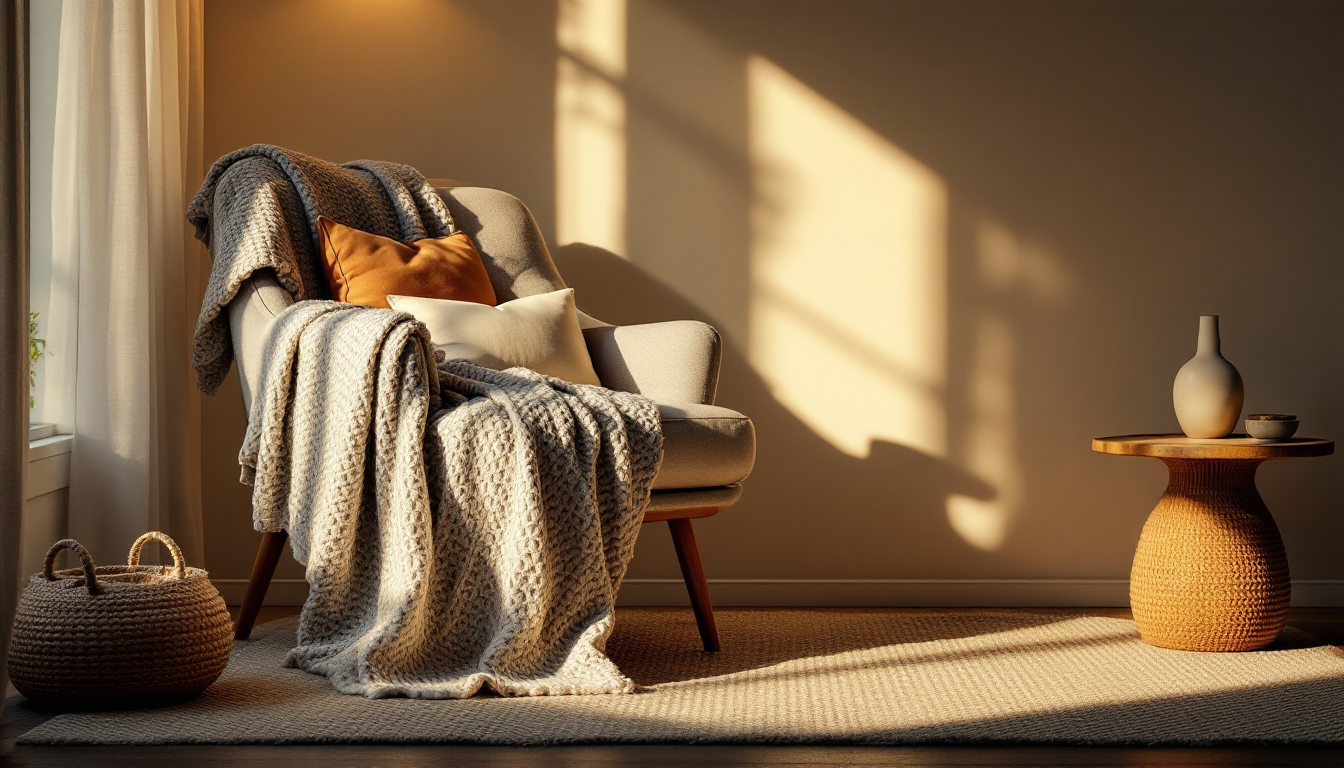
Why Some Rooms Feel Warm and Others Feel Cold
Coziness isn't an accident. It's the result of a handful of predictable design decisions layered on top of each other: lighting, texture, color, scale, and clutter control. If you've ever walked into a beautifully expensive room that still felt sterile, or a small budget apartment that felt instantly welcoming, you've already seen this principle in action. This guide breaks the process down into simple, repeatable steps so you can apply it to any room in your home, whether you're starting from scratch or just want to fix a space that feels flat.
Step 1: Start With Layered Lighting
Overhead lighting alone almost always makes a room feel clinical. Cozy rooms rely on multiple light sources at different heights: a floor lamp in a reading corner, a table lamp near the sofa, and maybe string lights or a dimmer on the main fixture. Aim for warm-toned bulbs (2700K to 3000K) rather than bright white or daylight bulbs, which tend to feel more like an office than a living space.
- Ceiling light: use sparingly, and put it on a dimmer if possible
- Table and floor lamps: place at least two around the room's perimeter
- Candles or LED candles: add flickering, low-level warmth for evenings
Step 2: Layer Textures You Can Feel
Cozy rooms invite touch. A room with only hard, smooth surfaces — glass, laminate, bare walls — will always feel a little cold no matter how good the color palette is. Start adding texture through:
- A chunky knit throw blanket draped over the sofa or an armchair
- A soft area rug, even over existing carpet or hardwood
- Textured cushions in linen, boucle, or wool blends
- Natural wood furniture with visible grain, rather than glossy laminate finishes
If you're furnishing with wood pieces, the finish matters as much as the material. A warm, hand-applied stain reads very differently than a flat factory coating. If you're building or refinishing furniture yourself, our beginner's guide to staining wood furniture walks through the process step by step, and the comparison of wood stain types can help you pick a tone that leans warm rather than cool.
Step 3: Choose a Warm, Grounded Color Palette
Cool grays, stark whites, and high-contrast palettes can look sharp in photos but often feel uninviting in daily life. For coziness, lean toward warmer neutrals: terracotta, warm taupe, deep olive, rust, cream, and soft browns. You don't need to repaint the whole room — start with textiles, artwork, and accessories in these tones, then consider an accent wall if you want a bigger change.
Step 4: Fix the Furniture Layout
A room feels cozy when furniture creates a sense of enclosure and conversation rather than lining the walls like a waiting room. Pull seating in toward a central point — a coffee table, a rug, or a fireplace — so people naturally face each other. Leave enough space to walk through comfortably, but avoid pushing every piece against a wall, which tends to make rooms feel larger but colder.
This is the same logic that governs efficient work zones in other parts of the house. If you're curious how professionals think about flow and function together, the principles in our kitchen work triangle guide apply surprisingly well to living rooms too: group related activities close together and keep clear paths between them.
Step 5: Add Personal, Imperfect Details
Sterile rooms often lack personality. Cozy rooms show evidence of life: books stacked on a side table, a stack of blankets, framed photos, plants, or a well-worn armchair. Aim for a few meaningful objects rather than generic decor. Open shelving with a mix of books, ceramics, and personal items usually feels warmer than a single large piece of matching art.
Step 6: Don't Forget Sound and Scent
Coziness isn't purely visual. Soft surfaces like rugs and curtains absorb sound and reduce the echo that makes empty rooms feel harsh. A simple upgrade — heavier curtains instead of blinds, for example — can noticeably change how a room feels to sit in. Scent matters too: a candle, diffuser, or even fresh coffee can make a space feel more lived-in and welcoming within seconds.
A Simple Checklist to Get Started
- Swap at least one overhead bulb for a warm-toned lamp
- Add one textured layer: a throw, rug, or cushion set
- Introduce one warm accent color through textiles or decor
- Rearrange seating to face a central point
- Add one personal object that isn't purely decorative
You don't need to do everything at once. Most rooms transform noticeably after just two or three of these changes. If you're planning a larger renovation and want to see how a cozy layout would actually work in your space before buying furniture, tools like home3dplan's room planning platform let you test layouts and lighting placement digitally first.
Common Mistakes to Avoid
- Too much matching furniture: a perfectly matched set can feel like a showroom rather than a home
- Only one light source: a single ceiling fixture rarely creates warmth on its own
- Overcrowding: too many objects can tip cozy into cluttered — leave breathing room
- Ignoring scale: furniture that's too small for the room can make it feel empty rather than intimate
Coziness is ultimately about comfort and intention, not a specific style. Whether your taste runs traditional, modern, or somewhere in between, the same fundamentals — warm light, soft texture, grounded color, and thoughtful layout — will carry the feeling through.