7 Ways to Make a Room Look Cozy, Compared: Which Approach Fits Your Space?
By Ingrid Halvorsen, Home Planning Specialist · July 24, 2026
Cozy Isn't One-Size-Fits-All
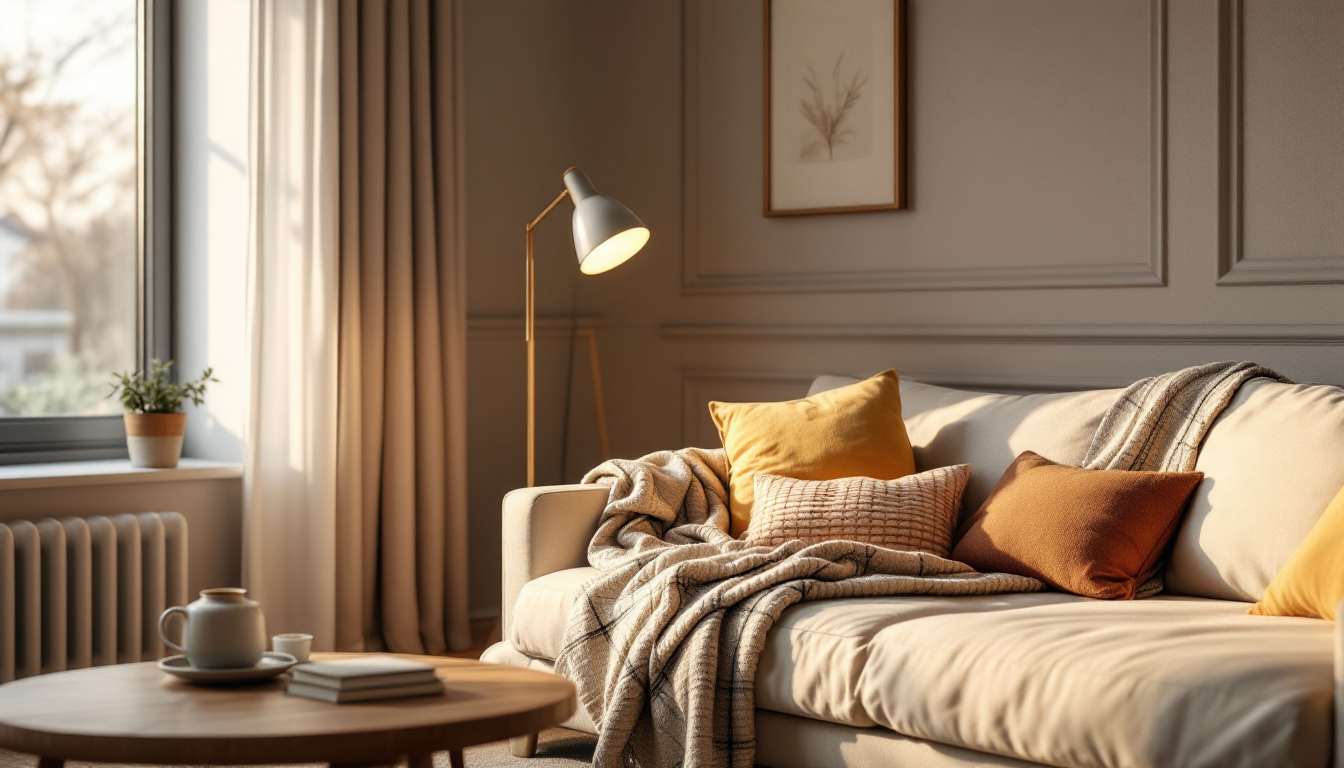
Ask five people how to make a room feel cozy and you'll get five different answers: layer in textiles, dim the lights, rearrange the furniture, add a fireplace, paint it a warm color. All of them work, but none of them work equally well in every room. A rental apartment with white walls needs a different strategy than a drafty older house with a stone fireplace and a floor plan that hasn't been touched since the 1970s.
This guide treats coziness as a design problem with multiple valid solutions, not a single checklist. If you want the foundational concepts first, our beginner's guide to making a room look cozy covers the basics of lighting, texture, and color. Here, we compare seven distinct approaches so you can pick the one—or combination—that fits your budget, your lease terms, and the room you're actually working with.
1. The Textile Layering Method
This is the fastest and most reversible option: throw blankets, area rugs, cushions, and heavier curtains added on top of what you already own.
- Cost: Low to moderate
- Effort: Minimal, done in an afternoon
- Best for: Renters, minimalist rooms with hard surfaces, quick seasonal refreshes
- Drawback: Doesn't fix an awkward layout or poor lighting underneath
2. The Lighting Overhaul
Swapping a single overhead fixture for multiple lower, warmer light sources—table lamps, floor lamps, dimmers—changes the emotional temperature of a room more than almost anything else.
- Cost: Moderate, depending on fixtures
- Effort: Low to moderate; may require an electrician for hardwired changes
- Best for: Rooms with harsh overhead lighting or too much cool daylight
- Drawback: Requires a few extra outlets or a strategic furniture reshuffle to place lamps where they're actually useful
3. The Color and Paint Approach
Repainting walls in warm, muted tones—terracotta, deep olive, warm greige—does more heavy lifting than most people expect. Cool whites and stark grays tend to read as clinical rather than comforting.
- Cost: Low to moderate (paint and labor)
- Effort: Moderate, a weekend project
- Best for: Rooms with good natural light that can handle a deeper tone, or ones that feel visually cold
- Drawback: Permanent (or semi-permanent) if you're renting; can make small rooms feel smaller if not paired with good lighting
4. The Furniture Layout Reset
Sometimes a room feels sterile not because of what's in it, but because of how it's arranged. Furniture pushed against every wall, chairs that don't face each other, and dead space in the middle of the floor all work against a sense of intimacy. Pulling seating closer together, angling pieces toward a focal point, and defining separate zones within an open room can make a huge difference—this is the same layout thinking behind our comparison of kitchen work triangle versus zone-based layouts, where function and flow matter as much as looks.
- Cost: Free to low (just rearranging existing pieces)
- Effort: Moderate—may take some trial and error
- Best for: Larger or open-plan rooms that feel empty or disconnected
- Drawback: Limited by existing furniture size and door/window placement
5. The Structural Fix
Sometimes the coziness problem isn't decor at all—it's the bones of the room. A long, narrow layout, a missing focal wall, or an awkwardly placed doorway can undercut every styling effort. If you're considering knocking out or reconfiguring a wall to open up flow or create a better nook for seating, it's essential to know what you're dealing with structurally first. Our comparison of methods for identifying a load-bearing wall walks through options from free DIY checks to professional inspection, which matters enormously before any wall comes down.
- Cost: Moderate to high
- Effort: High; typically involves contractors
- Best for: Homeowners doing a fuller remodel, not a quick refresh
- Drawback: Overkill if the issue is really just lighting or clutter
6. The Natural Materials Swap
Replacing synthetic, glossy, or cold-to-the-touch materials with wood, wool, linen, and stone brings warmth on a sensory level, not just a visual one. This includes refinishing tired furniture—stripping a dated laminate side table and refinishing it in a rich wood tone can anchor a whole room. If you're new to this, our beginner's guide to staining wood furniture is a solid starting point, or compare wood stain types if you already have a piece in mind.
- Cost: Low (refinishing) to high (new furniture)
- Effort: Moderate to high depending on scope
- Best for: Rooms dominated by plastic, laminate, or metal finishes
- Drawback: Refinishing takes patience and proper ventilation
7. The Full Room Plan (Digital First)
Rather than guessing and rearranging furniture by hand, planning the room digitally before buying anything lets you test layouts, lighting placement, and color combinations without the labor. This is especially useful when combining several of the methods above—say, a new paint color plus a furniture reset plus added lighting—since it's easy to misjudge how they'll interact in a real space. Tools like home3dplan.com let you build a 3D version of your room and walk through different configurations before committing.
- Cost: Low (planning) plus whatever changes you choose to implement
- Effort: Low to plan, saves effort later by avoiding costly mistakes
- Best for: Anyone combining multiple strategies or planning a larger remodel
- Drawback: Still requires physical execution afterward
Which Approach Should You Choose?
If you're renting or just want a quick win, start with textiles and lighting—both are affordable, reversible, and effective. If your room feels cold despite good decor, look at layout and structure before spending more on accessories. And if you're planning a bigger change, sketching it out digitally first will save you from expensive guesswork, whether that's testing a new furniture arrangement or figuring out how a knocked-through wall might change the whole feel of the space.