Gable vs Hip Roof: 7 Factors to Compare Before You Choose
By Adrian Kessler, Architecture & Structure Writer · October 16, 2026
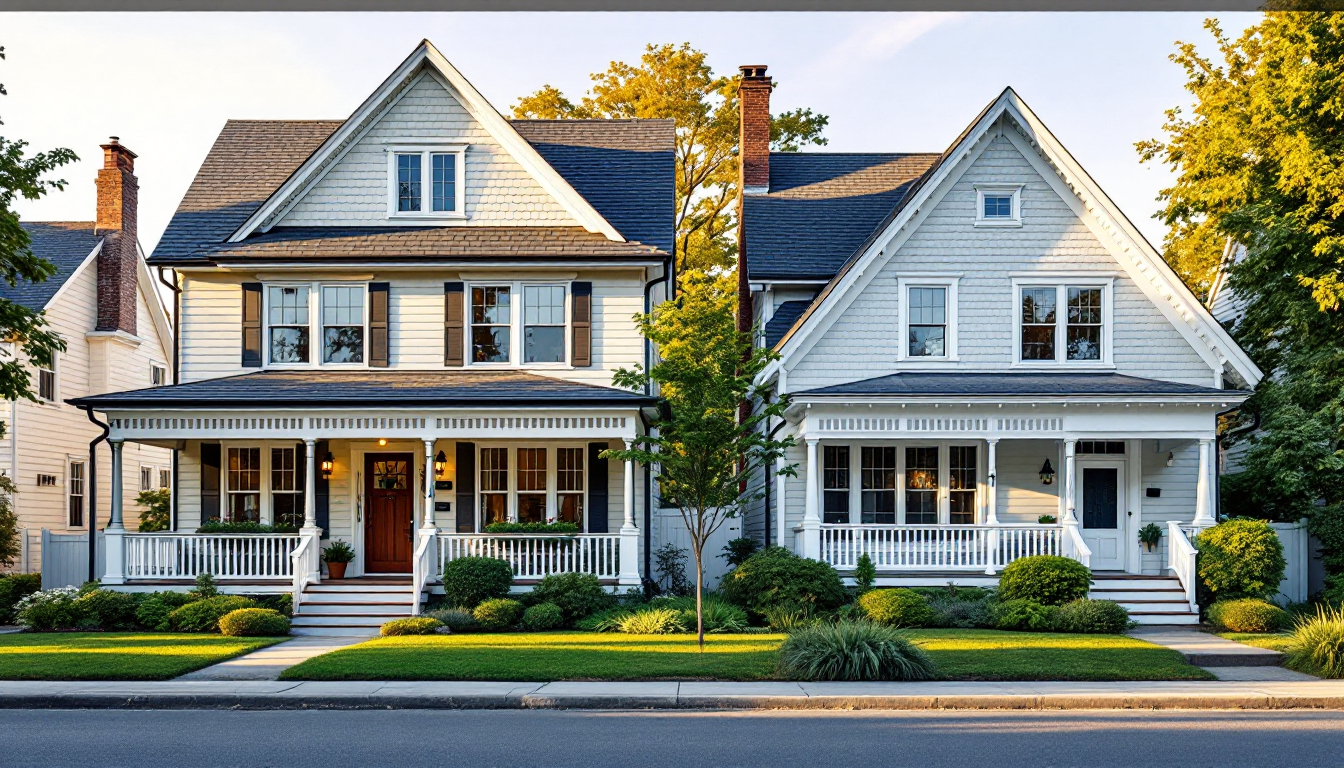
Two Rooflines, One Decision
If you've already read the basics on how gable and hip roofs differ structurally, you know the shapes: a gable roof has two sloped planes meeting at a ridge, with flat triangular walls at each end; a hip roof slopes on all four sides and has no vertical end walls at all. That guide covers the "what." This one is built for the "which" — a side-by-side comparison for anyone actually weighing options for a build or renovation.
Rather than walking through definitions again, we'll score each roof type across seven practical factors that tend to decide real projects: cost, wind performance, attic space, drainage, maintenance, design flexibility, and climate suitability. None of these decisions happen in isolation from the rest of the building, so it helps to have your floor plan and elevation drawings on hand before locking in a roof shape.
1. Upfront Construction Cost
- Gable roof: Simpler framing, fewer jack rafters, less cutting. Typically 10-15% cheaper to frame than a hip roof of the same footprint.
- Hip roof: Four sloped planes require more rafters, hip rafters, and precise angle cuts, which adds labor and material. Expect a higher bid from most framers.
Verdict: Gable wins on budget. If cost is the deciding factor and your site isn't especially wind-prone, gable is the safer financial choice.
2. Wind and Storm Resistance
- Gable roof: The flat end walls act like sails in high wind. Without proper bracing, gable ends are a common failure point in hurricanes and severe straight-line wind events.
- Hip roof: The inward slope on all four sides sheds wind more aerodynamically and has no flat gable end to catch gusts. Building codes in many coastal and high-wind zones favor or require hip designs.
Verdict: Hip roof wins decisively in wind-exposed regions. This is the single biggest reason builders in coastal Florida, the Gulf Coast, and similar zones default to hip framing.
3. Attic and Interior Headroom
- Gable roof: The triangular shape creates generous, usable attic volume — easier to convert into storage, a loft, or finished living space later.
- Hip roof: The inward-sloping sides on all four faces reduce usable attic volume, especially near the perimeter, making future conversions more limited.
Verdict: Gable wins if attic storage or a future bonus room is part of the plan.
4. Drainage and Water Management
- Gable roof: Steep, simple slopes drain fast and handle heavy snow or rain well, provided the ridge and valleys (if any) are properly flashed.
- Hip roof: Slopes on every side also drain efficiently, but the hip seams need careful flashing, and complex hip-and-valley combinations create more joints where leaks can start if installation is sloppy.
Verdict: Roughly even. Gable is simpler to flash correctly; hip has more seams but no weak gable-end water concentration. Pitch matters more than shape here — see our breakdown of roof pitch calculation methods if you're still sizing the slope.
5. Long-Term Maintenance
- Gable roof: Fewer seams mean fewer places for leaks to originate, but gable ends need periodic inspection for wind damage, loose siding, and ventilation gaps.
- Hip roof: More hips and valleys mean more flashing to maintain, plus harder-to-reach corners for gutter cleaning and shingle inspection.
Verdict: Gable wins slightly on maintenance simplicity, though both are manageable with routine upkeep.
6. Design Flexibility and Curb Appeal
- Gable roof: Reads as classic, farmhouse, or craftsman. Easy to add dormers, skylights, or a porch gable for visual interest.
- Hip roof: Reads as more formal, symmetrical, and tailored — common on traditional, ranch, and transitional styles. Blends cleanly into complex floor plans with wings or L-shapes.
Verdict: This one is subjective. Pull your comparison of other roof types alongside these two if neither style matches your architectural goals — combination roofs (gable-hip hybrids) are common for a reason.
7. Climate Fit
- Gable roof: Excels in snowy, low-wind climates where steep pitches shed snow load efficiently.
- Hip roof: Excels in high-wind, hurricane-prone, or hot climates, since the four-sided slope also allows for continuous soffit venting around the entire perimeter.
Verdict: Let your climate decide first, budget second, and aesthetics third.
Quick Decision Checklist
- Is your site in a high-wind or hurricane zone? Lean hip.
- Is budget the top constraint? Lean gable.
- Do you want a future attic conversion? Lean gable.
- Does your home have a complex, multi-wing footprint? Hip often blends more cleanly.
- Still undecided? Draft both options and test them against your elevation drawings before committing to framing bids.
Whichever direction you lean, model both rooflines on your actual house dimensions before signing off. A tool like Home3DPlan lets you visualize gable and hip options on your specific footprint, so the comparison is based on your home rather than a generic diagram.