7 Types of Wood Joints, Compared: Strength, Difficulty, and Best Uses
By Camille Moreau, Lead Interior Designer · September 22, 2026
Choosing a Joint Isn't One-Size-Fits-All
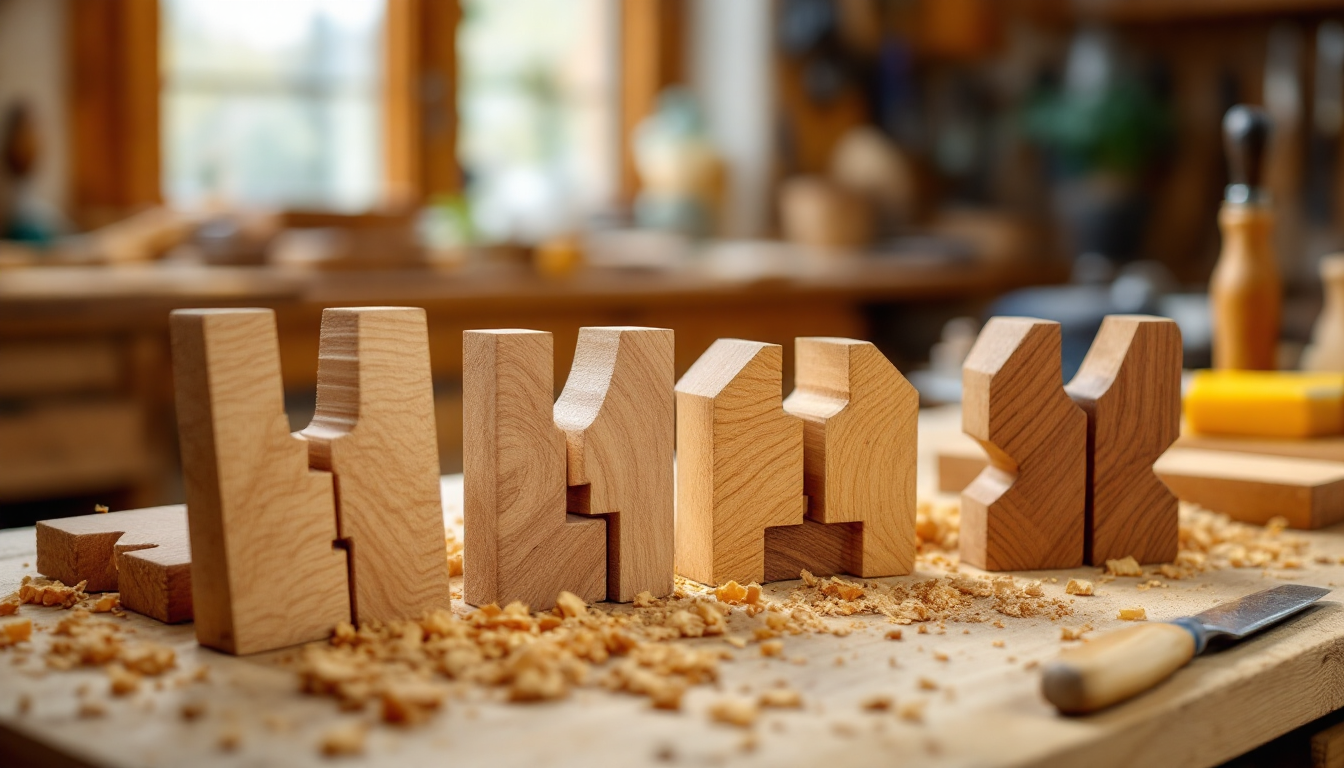
Once you know what a dovetail or a mortise and tenon actually is, the harder question shows up: which joint should you actually use for the project in front of you? Strength, visible aesthetics, tool access, and how much time you're willing to spend all pull in different directions. This guide compares seven joints side by side so you can weigh the trade-offs instead of guessing. If you need the fundamentals first, our beginner's guide to joining wood covers terminology and basic technique in more depth.
How We're Comparing These Joints
Each entry below is scored on four practical factors:
- Strength: resistance to racking, pulling apart, and load over time
- Difficulty: skill and precision required to cut it cleanly
- Tools needed: whether hand tools suffice or power tools/jigs are expected
- Best use case: the type of project where this joint shines
1. Butt Joint
Strength: Low on its own, moderate with screws, dowels, or pocket screws added.
Difficulty: Very easy — just square, flat cuts.
Tools: Saw, square, and fasteners (or a pocket-hole jig).
Best for: Interior framing, quick shelving, and beginner projects where speed matters more than heirloom durability. It's the default starting point discussed in our step-by-step beginner furniture guide.
2. Pocket-Hole Joint
Strength: Moderate to good, especially for face-frame and cabinet assembly.
Difficulty: Low — a jig does most of the precision work for you.
Tools: Pocket-hole jig, drill, and self-tapping screws.
Best for: Cabinets, face frames, and furniture where speed and repeatability matter more than a hidden joint line. It's arguably the most beginner-friendly "real" joint available today.
3. Dado Joint
Strength: Good for shelving and panel support; resists shear forces well.
Difficulty: Moderate — needs an accurately sized groove.
Tools: Table saw with dado stack, router, or a hand router plane.
Best for: Bookcases, cabinet carcasses, and drawer bottoms where a shelf or panel needs to sit flush and supported along its width.
4. Rabbet Joint
Strength: Moderate; better than a butt joint, especially when glued and pinned.
Difficulty: Moderate — one clean step-cut along an edge.
Tools: Table saw, router table, or a rabbeting hand plane.
Best for: Cabinet backs, drawer corners, and picture frames where you want partial concealment with less complexity than a dovetail.
5. Mortise and Tenon
Strength: Excellent — one of the strongest traditional joints for resisting racking and twisting.
Difficulty: High — requires precise, matching cuts on two pieces.
Tools: Mortiser, drill press, chisels, or a router jig.
Best for: Chair and table frames, doors, and any structure that needs to hold its shape under repeated stress. This is the joint furniture makers reach for when longevity is non-negotiable, and it pairs well with dense hardwoods covered in our comparison of the best woods for furniture making.
6. Dovetail Joint
Strength: Excellent in tension — the interlocking shape physically resists pulling apart.
Difficulty: High — considered a benchmark skill in hand-tool woodworking.
Tools: Dovetail saw and chisels, or a router with a dovetail jig for speed.
Best for: Drawer boxes, fine cabinetry, and any piece where the joint is meant to be seen as a mark of craftsmanship rather than hidden.
7. Biscuit and Domino (Floating Tenon) Joints
Strength: Good for alignment and moderate load; biscuits mainly help register panels, while dominoes approach true mortise-and-tenon strength.
Difficulty: Low to moderate — depends heavily on the machine, not hand skill.
Tools: Biscuit joiner or a Domino-style machine.
Best for: Panel glue-ups, edge-to-edge boards, and production furniture work where consistent, fast alignment matters more than a fully traditional joint.
Quick Comparison at a Glance
- Fastest to cut: Butt joint, pocket-hole joint
- Strongest overall: Mortise and tenon, dovetail
- Best for visible joinery: Dovetail, well-executed rabbet
- Best for hidden structural support: Dado, mortise and tenon
- Best for beginners on a deadline: Pocket-hole, biscuit joints
How to Actually Decide
Start by asking whether the joint will be visible in the finished piece. If it will, a dovetail or a clean rabbet elevates the design; if it's hidden inside a carcass or frame, a dado or mortise and tenon does the structural work without anyone seeing it. Next, weigh the tools you already own — a table saw and router cover dados, rabbets, and even basic mortise-and-tenon work, while dovetails by hand require patience and specific saws.
Finally, think about how the piece will be used. Furniture that gets pulled, sat on, or racked daily — chairs, tables, doors — deserves the extra time a mortise and tenon takes. Shelving and cabinetry that mostly bears static, downward weight can lean on dados and rabbets. If you're still mapping out a full build before cutting anything, sketching the piece first with home design and planning tools can help you confirm dimensions and joint placement before wood ever touches a saw.
None of these joints is universally "best" — the right choice is the one that matches your project's stress points, your tool budget, and how much of the joinery you actually want visible in the final piece.