7 Bookshelf Styling Methods Compared: Which One Fits Your Space and Time?
By Marta Nowak, Landscape & Outdoor Designer · August 5, 2026
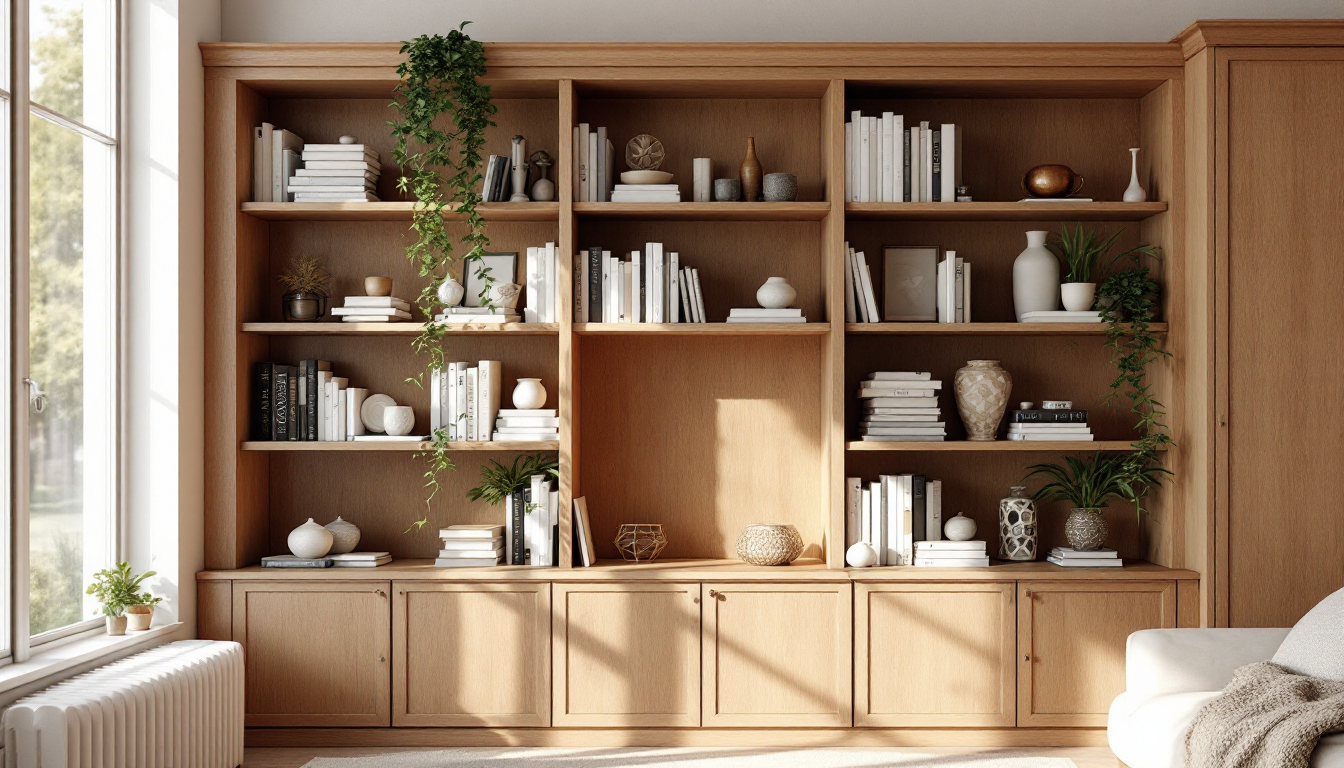
Choosing a Bookshelf Styling Method That Actually Fits Your Life
Not every styling method suits every household. A shelf in a busy family room needs a different approach than a quiet reading nook or a rental where you can't paint the backs of shelves. Instead of following one generic formula, it helps to compare the main methods designers actually use, so you can pick the one that matches your book collection, your decor style, and how much time you're willing to spend rearranging things every few months.
This guide breaks down seven common approaches to styling a bookshelf, weighing their pros, cons, and ideal use cases. If you want the fundamentals first, our beginner's guide to styling a bookshelf covers the basic building blocks referenced throughout this comparison.
1. The Rule-of-Three Grouping Method
This classic approach clusters objects in threes (or odd numbers generally) across each shelf—typically a stack of books, a small object, and a plant or vase. It's the most commonly taught styling formula because it's easy to replicate.
- Best for: Beginners, formal living rooms, shelves viewed head-on.
- Pros: Reliable, visually balanced, low risk of looking cluttered.
- Cons: Can feel formulaic or staged if overused on every shelf.
2. Color-Blocked Spine Arrangement
Books are grouped by spine color to create gradient blocks or rainbow effects across the shelving unit. This method turns a bookshelf into a graphic, almost art-like feature.
- Best for: Maximalist or eclectic interiors, statement walls, kids' rooms.
- Pros: Visually striking, works well in photos, uses books you already own.
- Cons: Makes finding a specific title difficult; can look overly trendy in a minimalist space. If you're deciding between a pared-back look and a busier one, it's worth comparing this to the calmer Japandi versus Scandinavian styling approach before committing.
3. Vertical and Horizontal Stacking Mix
Rather than lining every book upright, this method alternates upright rows with horizontal stacks topped by small objects. It breaks visual monotony and adds varied heights.
- Best for: Mixed collections of hardcovers and paperbacks, shelves with uneven heights.
- Pros: Easy to execute, adds rhythm without needing new decor items.
- Cons: Requires enough books to fill gaps convincingly; sparse collections can look unfinished.
4. Negative Space (Minimalist) Styling
This approach deliberately leaves open, empty areas on each shelf, treating the shelving unit like a gallery display rather than full storage. Only a few carefully chosen books and objects appear per shelf.
- Best for: Small collections, modern or Scandinavian interiors, shelves used partly for display.
- Pros: Calm, uncluttered, easy to maintain.
- Cons: Doesn't work if you need real storage capacity for a large library.
5. Layered Backdrop Method
Here, a backing material—wallpaper, painted panel, or fabric—is added behind the shelves before books and objects are arranged in front. The backdrop becomes part of the composition, similar to how a cozy room design uses layered textures to add depth.
- Best for: Built-in shelving, statement walls, rooms wanting a focal point.
- Pros: Adds depth and color even with a small book collection.
- Cons: More setup effort and cost; harder to change quickly.
6. Collector's Curated Display
This method treats the shelf as a personal museum—travel souvenirs, art books, framed photos, and specimen jars mixed with reading material. Density is intentional rather than accidental.
- Best for: Eclectic or maximalist homes, people with strong collections (art, ceramics, travel finds).
- Pros: Highly personal, tells a story, never looks generic.
- Cons: Easy to tip into clutter without an underlying color or size discipline.
7. Functional-First Arrangement
Styling takes a back seat to usability here: books are grouped by genre or reading frequency, with decor kept minimal so the shelf remains genuinely easy to use. This is the practical choice for households where the shelf gets touched daily.
- Best for: Home offices, kids' rooms, frequently used shelves.
- Pros: Low maintenance, genuinely functional, no "precious" arrangement to disturb.
- Cons: Least decorative of all seven methods; may look plain without a few accent objects.
How to Decide Between Methods
Start by asking three questions: how large is your book collection, how much visual complexity does the rest of the room already have, and how often will the shelf actually be used versus admired? A small, quiet reading corner suits negative-space or rule-of-three styling, while a busy family library benefits from the functional-first or vertical-horizontal mix. If you're planning built-ins as part of a larger room layout, it helps to map furniture and shelving placement early—tools for planning your room in 3D can make it easier to test different shelf configurations before committing to a final arrangement.
Many rooms actually benefit from combining two methods—say, a layered backdrop with collector's-display objects, or negative space paired with color blocking on just one accent shelf. Treat these seven approaches as a toolkit rather than a strict menu, and adjust based on how the shelf is used day to day, not just how it photographs.
Final Thought
There's no single "correct" way to style a bookshelf—only the method that matches your books, your room, and your patience for rearranging. Test one approach on a single shelf before committing your whole collection to it, and don't be afraid to mix techniques as your library and taste evolve.