6 Ways to Cut Dovetail Joints, Compared: Hand Tools vs. Jigs vs. Router Methods
By Adrian Kessler, Architecture & Structure Writer · July 28, 2026
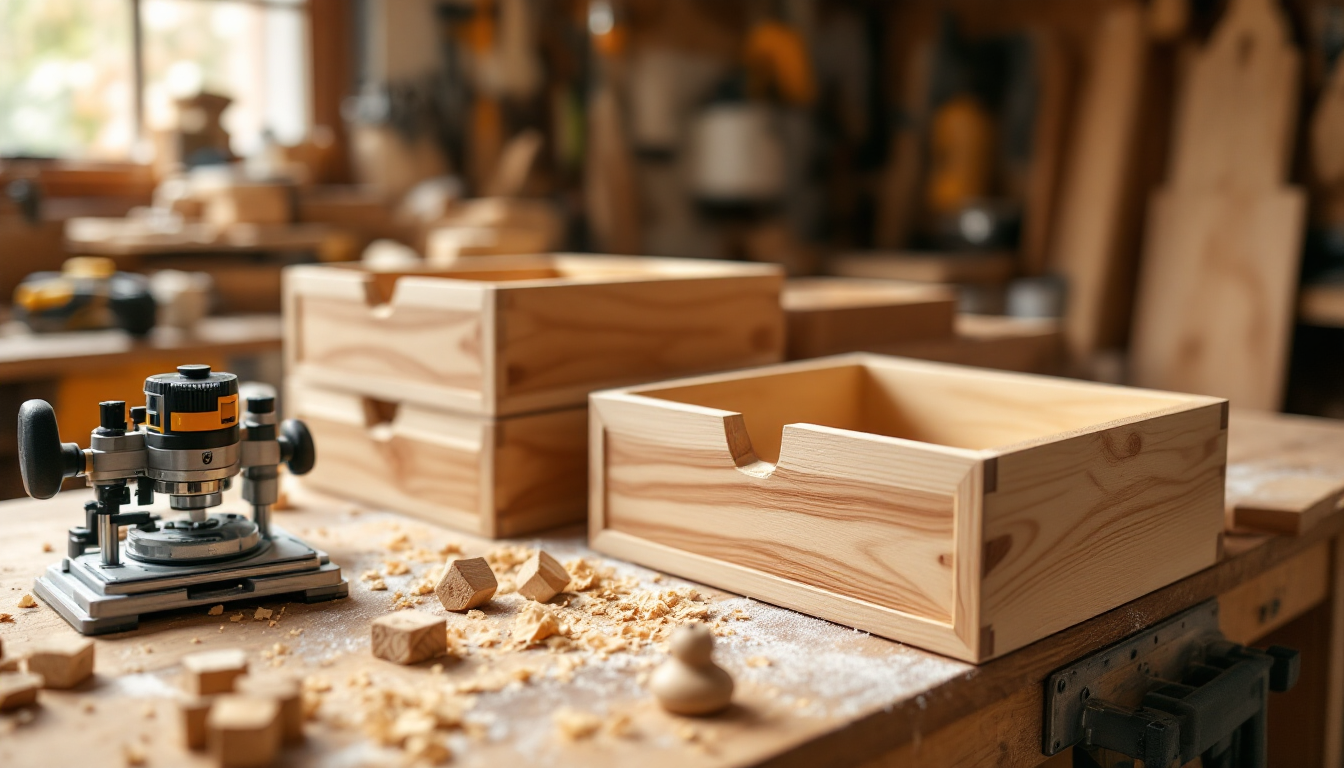
Dovetail joints have earned their reputation as the mark of solid joinery, but "how to cut them" isn't a single answer. There are at least half a dozen credible paths, from a dovetail saw and chisel to a router table with a fixed jig, and each one trades speed against control in a different way. If you're still deciding which approach suits your shop and your patience level, this comparison walks through the main methods side by side. For a step-by-step walkthrough of your very first hand-cut joint, our companion piece on making your first dovetail joint is the better starting point; this article assumes you already know what a pin and a tail are and want to compare tools.
What actually differs between methods
Every dovetail-cutting approach has to solve the same three problems: laying out consistent angles, removing waste cleanly, and fitting the pins to the tails without gaps. Where methods diverge is in how much of that work is done by your hands versus a machine, and how much room there is for the slightly irregular, hand-cut look many woodworkers actually prefer.
1. Hand-cut with a dovetail saw and marking gauge
This is the traditional route: mark the baseline with a marking gauge, lay out angles with a dovetail marker or bevel gauge, saw down the waste side of the line, then clear the waste with a coping saw and chisel. It's the slowest method but also the most forgiving of small shops, since it needs no power tools beyond a workbench and vise.
- Best for: fine furniture, heirloom pieces, anyone who values the slightly varied look of hand work
- Learning curve: steep at first, but skills transfer to every future joint
- Cost: low tool investment, high time investment
2. Half-blind dovetail jig with a router
A router-mounted jig with a comb-shaped template guides a dovetail bit through evenly spaced pins and tails in one pass per board. Half-blind jigs are the standard choice for drawer fronts, since the joint is hidden from the front face. Setup takes longer than the cut itself, but once dialed in, a jig produces identical joints in minutes.
- Best for: drawer boxes, repeatable production work, cabinetmakers building multiples
- Learning curve: moderate—mostly about tuning bit depth and template alignment
- Cost: mid-range, jig plus router bit set
3. Through-dovetail jig (variable-spacing)
Unlike fixed-spacing half-blind jigs, variable-spacing jigs let you set irregular pin widths so the joint mimics a hand-cut look while still being routed. These jigs cost more and take longer to set up per joint, but they close the gap between machine speed and custom appearance.
- Best for: woodworkers who want visible through-dovetails without hand-cutting every one
- Learning curve: moderate to high, since you're adjusting fingers manually
- Cost: higher than fixed jigs
4. Table saw with a dovetail-cutting sled
Some woodworkers build a shop-made sled that tilts the workpiece to the dovetail angle, letting a standard table saw blade cut the tail slopes. It's less common than router methods but appeals to shops that already have a table saw dialed in and don't want to buy a jig. Precision depends heavily on how well the sled is built and how carefully the piece is clamped.
- Best for: shops with strong table saw skills and a preference for shop-made jigs
- Learning curve: high, since the sled itself must be built accurately
- Cost: low if you already own the saw
5. Bandsaw dovetails
A bandsaw can cut dovetail slopes freehand or with an angled fence, offering speed close to a router without the noise or dust of a bit spinning at full RPM. It suits woodworkers who are comfortable freehand sawing and want more tactile control than a jig allows, but less setup time than full hand-cutting.
- Best for: intermediate woodworkers who want a middle ground between hand and machine
- Learning curve: moderate, depends on bandsaw fluency
- Cost: low if the bandsaw is already in the shop
6. CNC-routed dovetails
For shops with a CNC router, dovetail joints can be cut directly from a CAD file, which is especially useful when the joint needs to match architectural drawings or a repeatable furniture line. This is the most consistent method available but requires the most upfront investment in equipment and file setup—closer to a production decision than a weekend project choice.
- Best for: small production runs, furniture makers working from precise drawings
- Learning curve: steep for CAD/CAM setup, low for actual cutting
- Cost: highest of all methods listed here
How to choose between them
If you're building one nightstand and want the satisfaction of doing it by hand, start with a saw and chisel and accept a slower first attempt. If you're outfitting a kitchen full of drawer boxes, a half-blind router jig will save hours without sacrificing structural quality. Somewhere in between, variable-spacing jigs and bandsaw methods let you keep some of the handmade character while cutting your time in half.
Whichever method you pick, the underlying goal is the same one carpenters apply to finishing furniture surfaces or dimensioning a construction drawing: consistency matters more than speed. A joint that's slightly slow to cut but fits tight will outlast a fast one that's loose. If you're weighing this project against other furniture or built-in work for your home, browsing project ideas on Home3DPlan can help you scope what level of joinery a piece actually needs before you commit to a method.
A quick decision checklist
- Building one-off furniture with visible joints? Hand-cut or variable-spacing jig.
- Building multiple identical drawers? Half-blind router jig.
- Already skilled with a bandsaw or table saw? Use the tool you know rather than buying new.
- Running a small production shop? CNC is worth the setup cost over time.
None of these methods is objectively "correct"—the right choice depends on how many joints you're cutting, how visible they'll be, and how much shop equipment you're willing to invest in for a stronger, more precise result.