7 Front Yard Landscaping Styles Compared: Which One Fits Your House?
By Marta Nowak, Landscape & Outdoor Designer · July 14, 2026
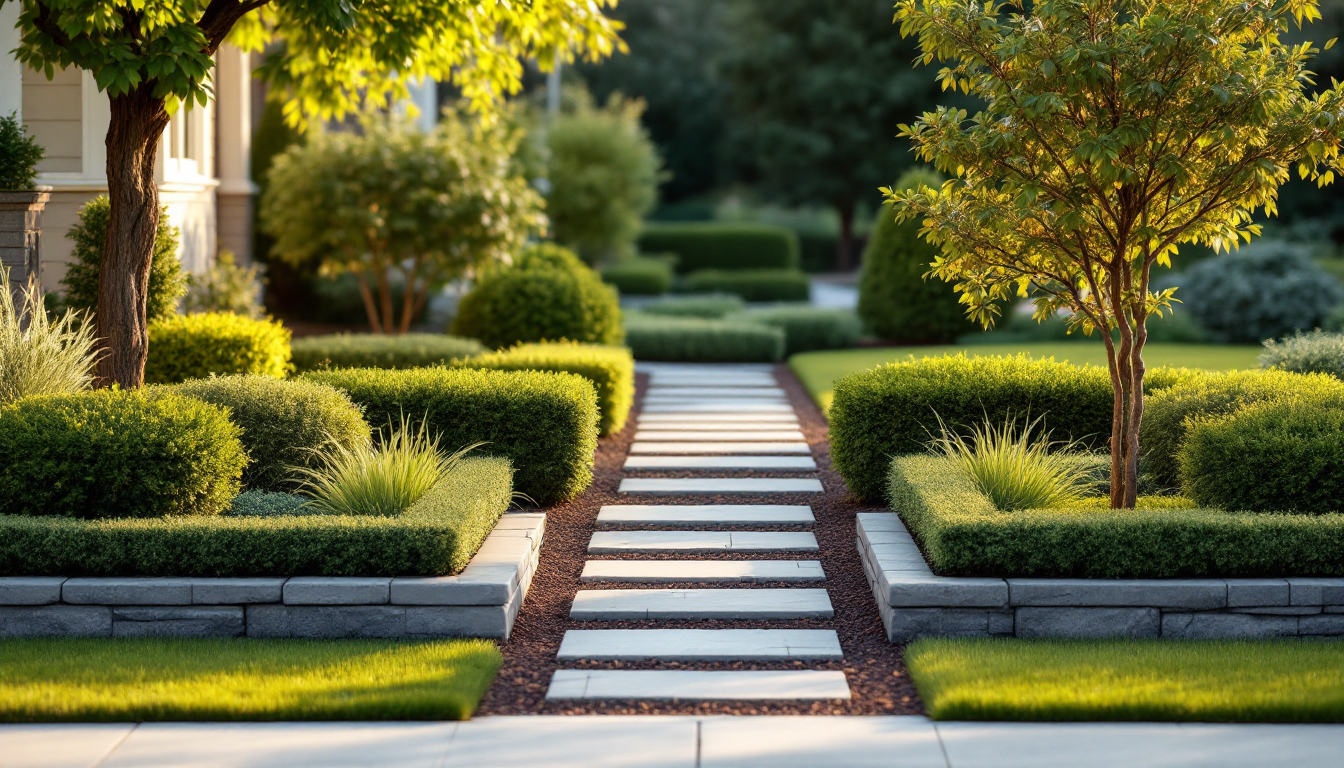
Choosing a front yard style is less about picking pretty plants and more about matching a look to your house, climate, and how much time you're willing to spend with a hose or pruning shears. Below is a side-by-side comparison of seven common approaches, so you can weigh the trade-offs before committing budget and weekends to a design. If you're starting from scratch and want the full planning process first, the step-by-step beginner's guide to front yard landscaping is a good companion read.
1. Cottage Garden
Dense, layered plantings of perennials, self-seeding annuals, and informal edging define this style. It suits older or traditional homes with a front porch and works well on smaller lots where you want visual richness without a big footprint.
- Cost: Low to moderate upfront, since many plants can be grown from seed or divided from existing stock.
- Maintenance: Moderate to high — deadheading, dividing, and controlling self-seeders takes regular attention.
- Best for: Gardeners who enjoy hands-on tending and want a yard that changes with the seasons.
2. Xeriscape / Drought-Tolerant
Gravel mulch, ornamental grasses, and drought-hardy shrubs like lavender, yucca, or agave replace thirsty lawns. This is increasingly common in warmer regions and anywhere water restrictions are a concern.
- Cost: Higher upfront due to grading, drainage, and mulch or gravel installation, but pays off in reduced water bills.
- Maintenance: Low — occasional pruning and weeding, minimal watering once established.
- Best for: Homeowners who want a low-upkeep yard and live in dry or drought-prone climates.
3. Formal / Symmetrical
Clipped hedges, matching planters, and a straight central path give this style a tailored, classic look. It pairs naturally with colonial, Georgian, or brick-front homes.
- Cost: Moderate to high, since it often relies on mature shrubs and precise hardscaping.
- Maintenance: High — hedges need regular shearing to keep the crisp lines that make this style work.
- Best for: Homeowners who want a polished, high-curb-appeal look and don't mind hiring a trimming service.
4. Modern Minimalist
Architectural plants (boxwood balls, ornamental grasses, single specimen trees), clean-edged beds, and hardscaping like poured concrete or large-format pavers define this look. It suits contemporary or mid-century homes especially well.
- Cost: Moderate to high — hardscaping materials and precise plant spacing add up.
- Maintenance: Low to moderate, since fewer plant varieties mean less to manage overall.
- Best for: Homeowners who want strong visual impact without a lot of plant variety to care for.
5. Native / Naturalistic Meadow
Native grasses and wildflowers replace turf, creating a looser, prairie-like front yard that supports pollinators. It's gaining popularity as an alternative to traditional lawns.
- Cost: Low once established, though initial seeding or plug installation and the first year or two of weeding require investment.
- Maintenance: Low long-term, but expect one or two seasons of active weeding while plants establish.
- Best for: Homeowners prioritizing ecology and biodiversity who are comfortable with a less manicured look — worth checking local ordinances first, since some municipalities restrict meadow-style yards.
6. Foundation Planting with Layered Shrubs
A classic approach: shrubs graduated by height against the house, with a mulched bed and maybe a few accent perennials. It's the most common front yard style in suburban neighborhoods for good reason — it's dependable and works with almost any house style.
- Cost: Low to moderate, especially if you choose smaller shrubs and let them fill in over a few years.
- Maintenance: Low to moderate — annual pruning and mulch refresh.
- Best for: Homeowners who want a safe, resale-friendly look without much design risk.
7. Hardscape-Forward with Raised Beds
This style leans on structure — a defined path, a low wall, and raised beds that separate planting zones from walkways. Raised beds also solve drainage problems and poor native soil, which makes this a smart option if your front yard has grading or erosion issues.
- Cost: Higher upfront due to materials (stone, timber, or block) and labor.
- Maintenance: Low to moderate — raised beds are easier to weed and maintain than in-ground borders.
- Best for: Sloped or poorly draining lots, and homeowners who want defined, tidy planting zones.
How to Narrow It Down
Match the style to three things: your house's architecture, your climate's water availability, and how many hours a month you'll realistically spend outside. A formal hedge look on a house with no matching symmetry will feel forced, just as a meadow planting in a strict HOA neighborhood can invite complaints. If you're unsure how to translate a style choice into an actual planting plan, revisit the beginner's front yard landscaping guide for a walkthrough of site assessment and plant selection.
It also helps to sketch a few layout options before buying materials. Tools on Home3DPlan let you test bed shapes, path placement, and plant groupings against your actual lot dimensions, so you can compare styles visually before committing a single shovel to the ground.